
Published: 01/29/2026
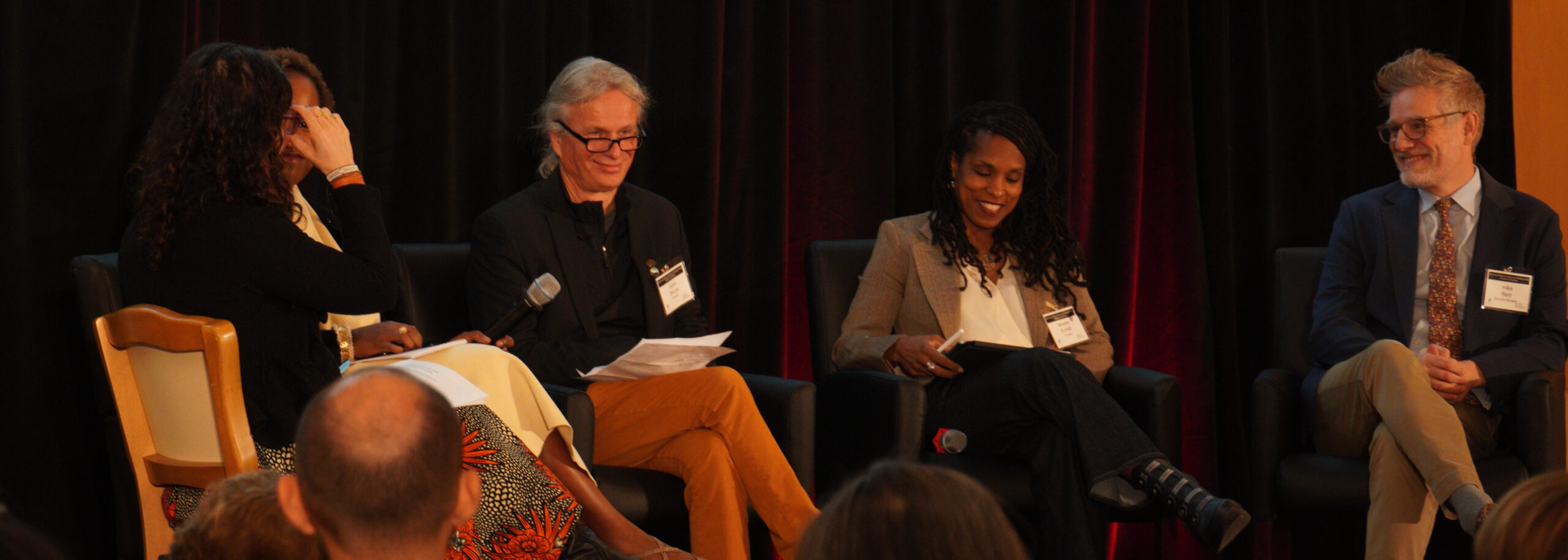
The 2026 Stanford Global and Planetary Health Research Convening brought together people from Stanford and around the world to share research and imagine effective paths forward during a moment of global change.
By Catherine Wu, Global Health Communications Assistant
On January 28, the Center for Innovation in Global Health (CIGH) and Center for Human and Planetary Health (HPH) co-hosted the 2026 Global and Planetary Health Research Convening, with a theme of “Reimagining Global and Planetary Health.” With nearly 300 attendees joining from around the world, the convening explored solutions and strategies to address health challenges and build resilience.
“This 12th convening emphasized how challenging and disruptive these times are for global health and planetary health, given new geopolitical priorities and financing realities. We need to stand strong as a community and be innovative in how we go forward with partnerships and research.”
Michele Barry, MD, Director of the Stanford Center for Innovation in Global Health
“This 12th convening emphasized how challenging and disruptive these times are for global health and planetary health, given new geopolitical priorities and financing realities,” said Michele Barry, MD, Director of CIGH and the senior associate dean of global health. “We need to stand strong as a community and be innovative in how we go forward with partnerships and research.”
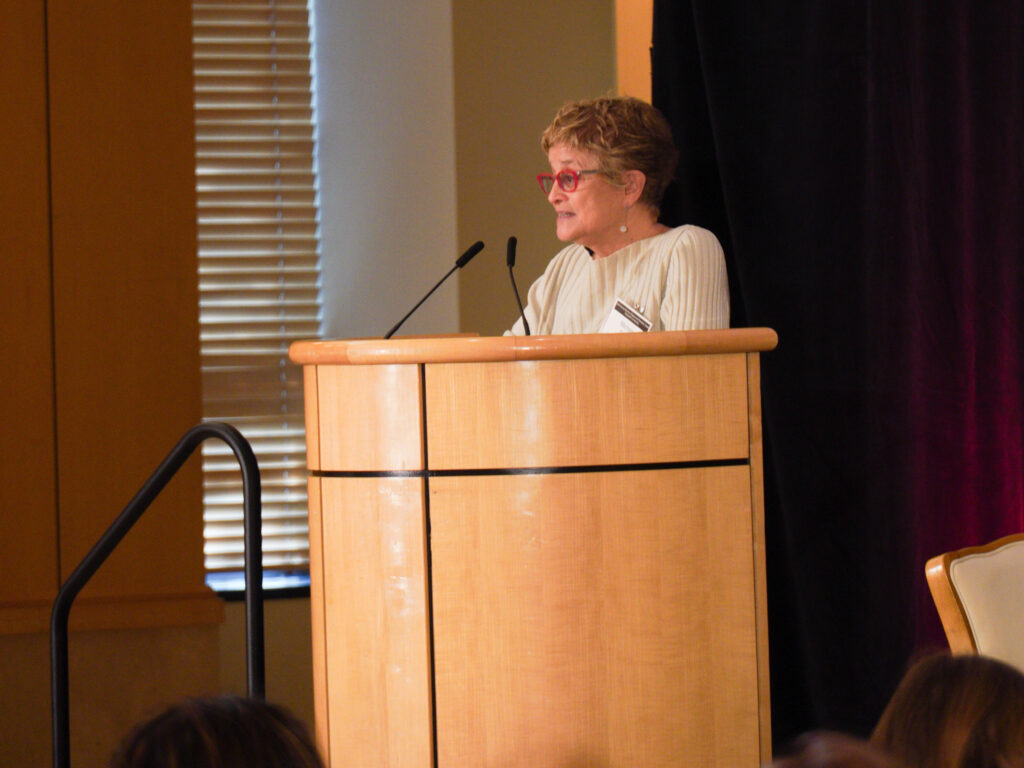
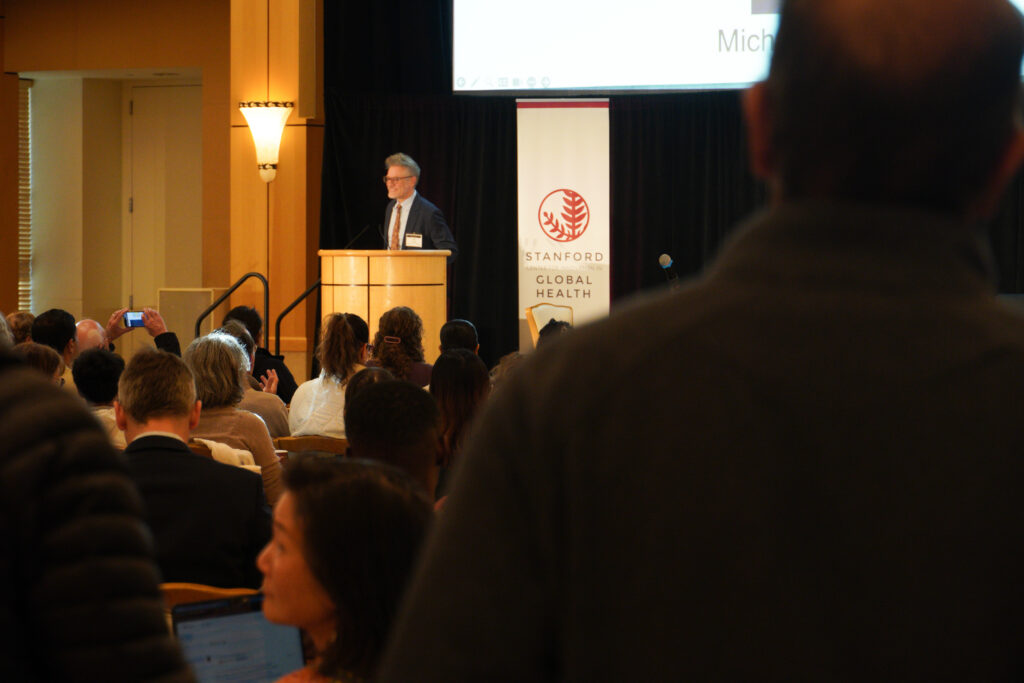
The convening featured an opening keynote by mike Reid, MD, Associate Professor of Medicine at the University of California, San Francisco (UCSF) and Chief Science Officer in the Bureau of Global Health Security and Diplomacy (GHSD) at the U.S. Department of State.
Following the keynote, Reid joined a panel discussion about “Reimagining Global and Planetary Health.” The panel also included Maxine Burkett, JD, Emerson Collective Professor of Climate, Environment, and Society at Stanford’s Doerr School of Sustainability and faculty director of the Center for Just Environmental Futures, Giulio De Leo, PhD, Stanford professor of Earth System Science and of Oceans, and Christine Ngaruiya, MD, MSc, DRM&H, associate professor in the Stanford Department of Emergency Medicine. Desiree LaBeaud, MD, MS, FASTMH, associate dean of global health, moderated the panel.
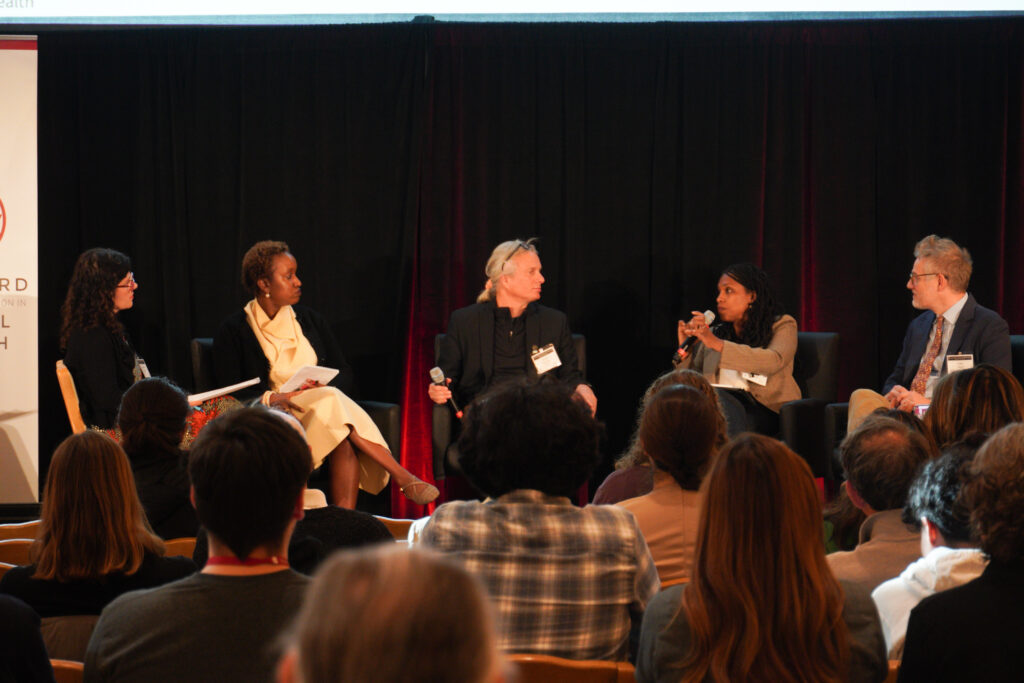
At a time when there are many reasons to despair in global and planetary health, LaBeaud said, this convening offered an opportunity to “tap into the power of human imagination — to come together, dream up new ways of thinking, and act on them.”
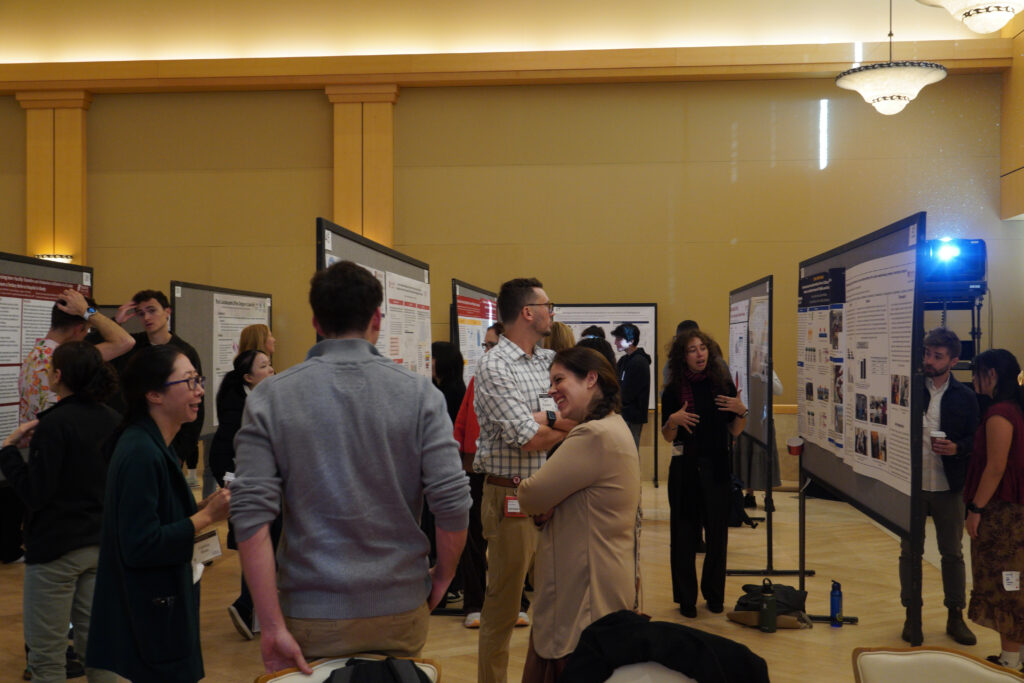
After the morning session, researchers from Stanford and institutions across the nation and world discussed their research in lightning round presentations, oral presentations, and posters.
Undergraduate student and President of the Undergraduate Global Health Club at Stanford, Max Yang, was excited to hear others “provide feedback and consider new ideas” for his lightning presentation and poster about his research related to tuberculosis.
It’s great that the global health and planetary health community at Stanford is so vibrant, where we can have this whole convening with faculty, staff, and students exchanging ideas about new advances in the field.
Max Yang, Stanford Undergraduate Student
“It’s great that the global health and planetary health community at Stanford is so vibrant,” Yang continued, “where we can have this whole convening with faculty, staff, and students exchanging ideas about new advances in the field.”
Stephen Luby, MD, Director of the Center for Human and Planetary Health and the Director of Research for the Center for Innovation in Global Health, delivered a closing keynote, Advancing Human and Planetary Health. He candidly acknowledged the tremendous challenges of this moment: “The fundamental problem of our time is that human actions – by global techno capitalism – are permanently destabilizing longstanding resilient earth systems that humanity depends on,” he said.
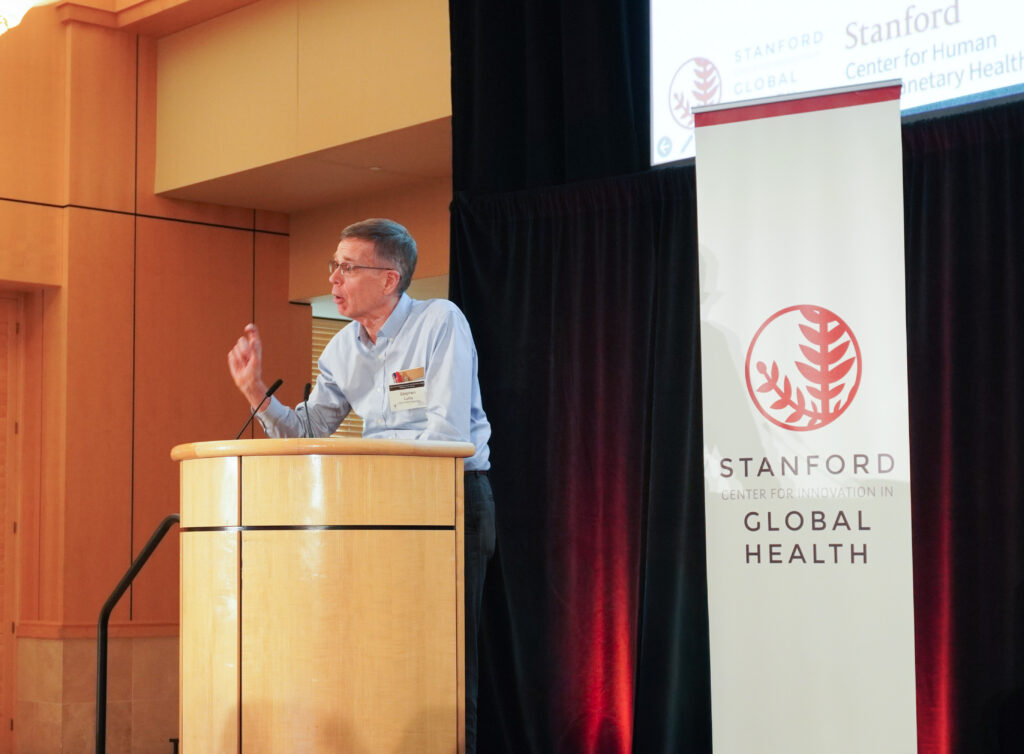
Despite these “dark times,” he said, universities retain superpowers to advance a “flourishing planet for a flourishing humanity.” These superpowers include research that can generate a “robustly sound understanding of the world and remarkably bright and talented students and trainees,” he said.
To address the great challenges of our time, we need to deploy our superpowers.
Stephen Luby, MD, Director of the Stanford Center for Human and Planetary Health
“That’s why we created the Center for Human and Planetary Health at Stanford,” Luby added. “To address the great challenges of our time, we need to deploy our superpowers.”
Jamie Hansen, Global Health Communications Manager, contributed to this story