Equitable Partnerships
The Stanford Center for Innovation in Global Health cultivates and supports mutually beneficial collaborations and partnerships designed to improve health outcomes globally.
The Stanford Center for Innovation in Global Health cultivates and supports mutually beneficial collaborations and partnerships designed to improve health outcomes globally.
We are committed to fostering mutually beneficial, equitable relationships with our international partners. We invest in programs and partnerships that center local expertise and leadership and seek to foster two-way exchanges of knowledge and ideas. Learn more.

Stanford African Scholars in Global Health
Promoting capacity-strengthening and two-way learning between African medical institutions and Stanford.
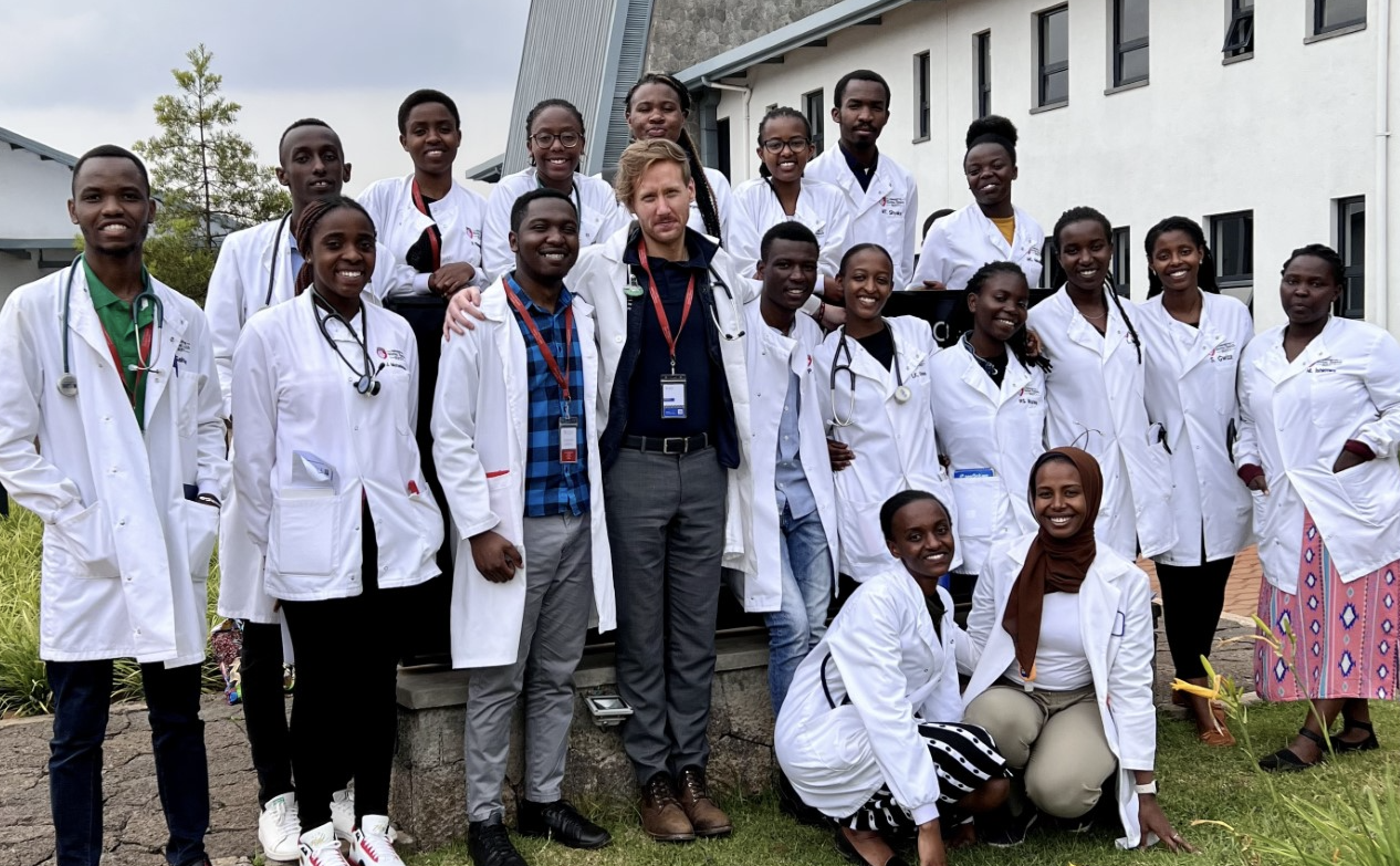
We partner with the University of Global Health Equity in Rwanda to expand access to medical education and improve health outcomes.
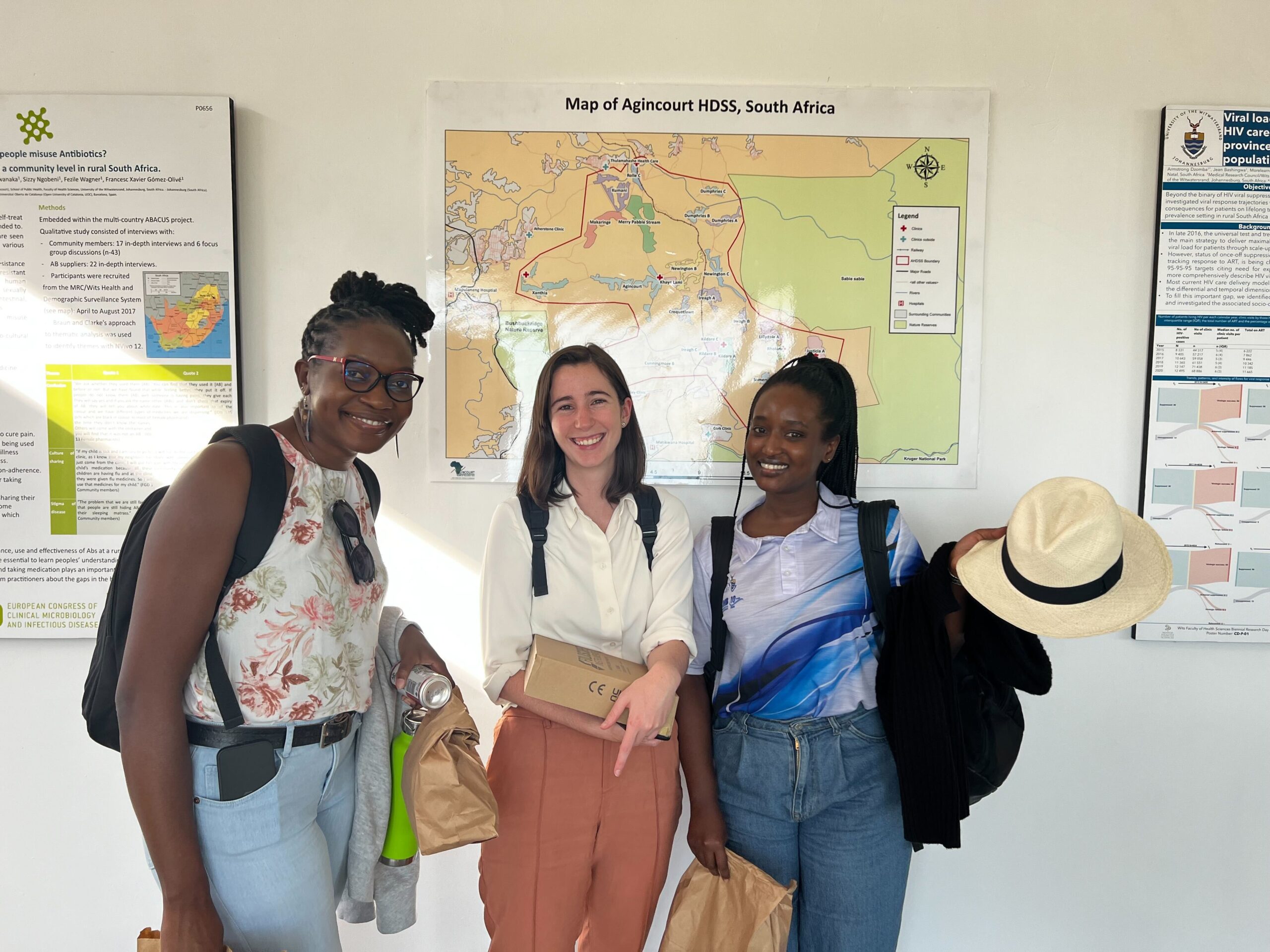
A 12-month, NIH-supported, mentored training in global health research to improve population health open to US and international scholars.

This course, Equitable Global Partnerships in Health and Beyond, is led by CIGH faculty.

Stanford’s collaboration with Moi Teaching & Referral Hospital in Kenya, through AMPATH, supports the ID/antimicrobial stewardship program and fosters bidirectional learning.

An open access compendium of critical reflections and visions of equity at the research-practice interface. Co-authored by Dr. Desiree LaBeaud, Associate Dean of Global Health.
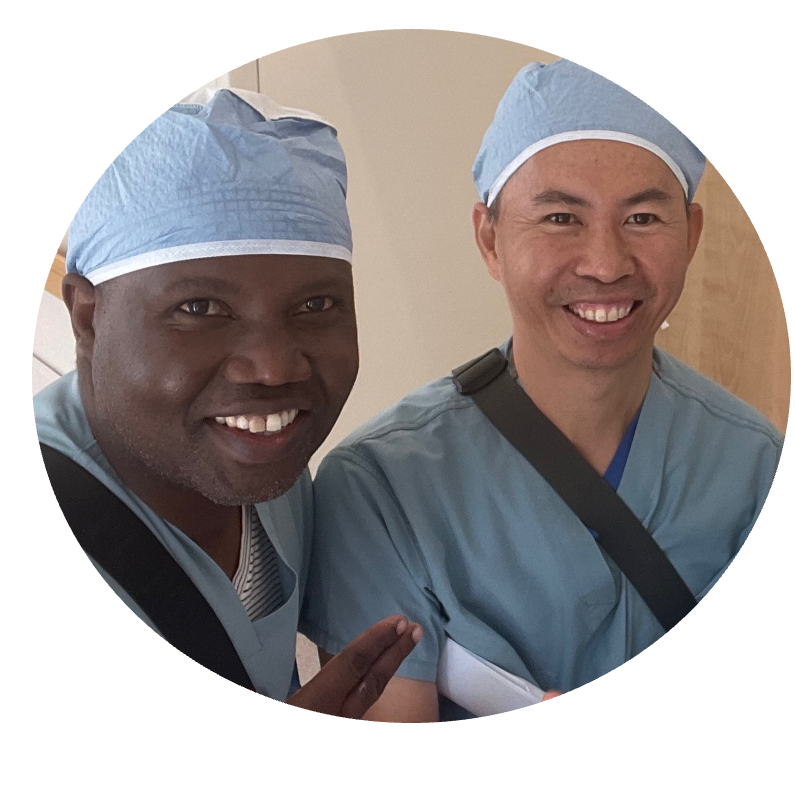
This publication, by Stanford authors and global colleagues, provides 10 actionable recommendations for how U.S. global health programs can effectively host global health partners in a manner that is sustainable, bidirectional, and respectful.

This publication highlights the ways gender, economic, and language disparities impact the number of English-language scientific publications a researcher achieves and calls for an explicit effort to consider and address these impacts.

Global research carries the power structures rooted in the colonial history of academia. Therefore, rethinking international research practices is essential across several disciplines (e.g., biology, public health, anthropology) that frequently engage in this type of work. This paper offers some ideas on how to reconsider international and community-based fieldwork across disciplines, using field biology as an example.

The authors present a 20-item tool HIC and LMIC institutions can use throughout the conduct of global health projects to ensure more equitable collaborations.

The Uganda National Academy of Sciences produced this consensus study in 2024.

The field of research known as academic global health is in the midst of a scientific debate that is questioning its epistemological foundations. This book, by Seye Abimbola, contributes to that questioning. Read more in this Lancet commentary about the book.
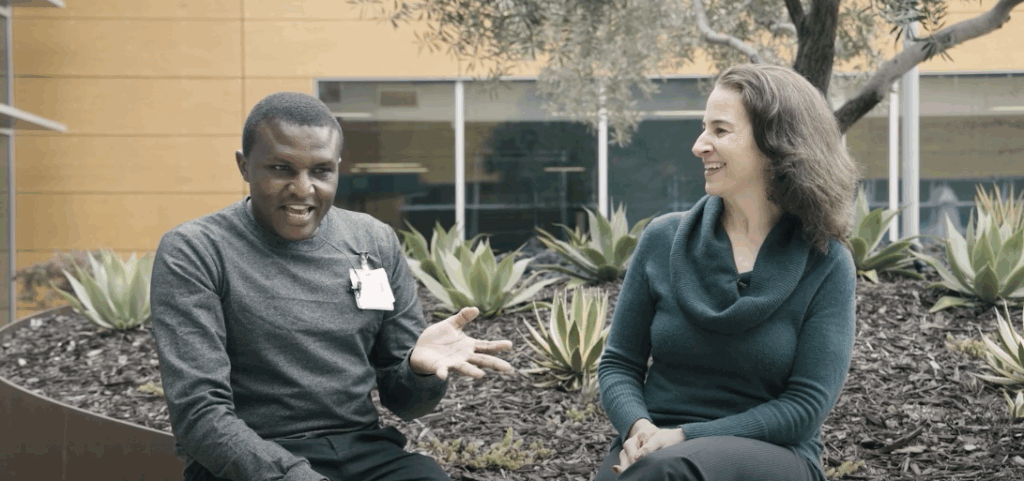
In this video, hear from SASH Scholar Dr. Ombeva Malande and Mentor Dr. Cybele Renault about the ways in which their partnership has shaped their life and work.
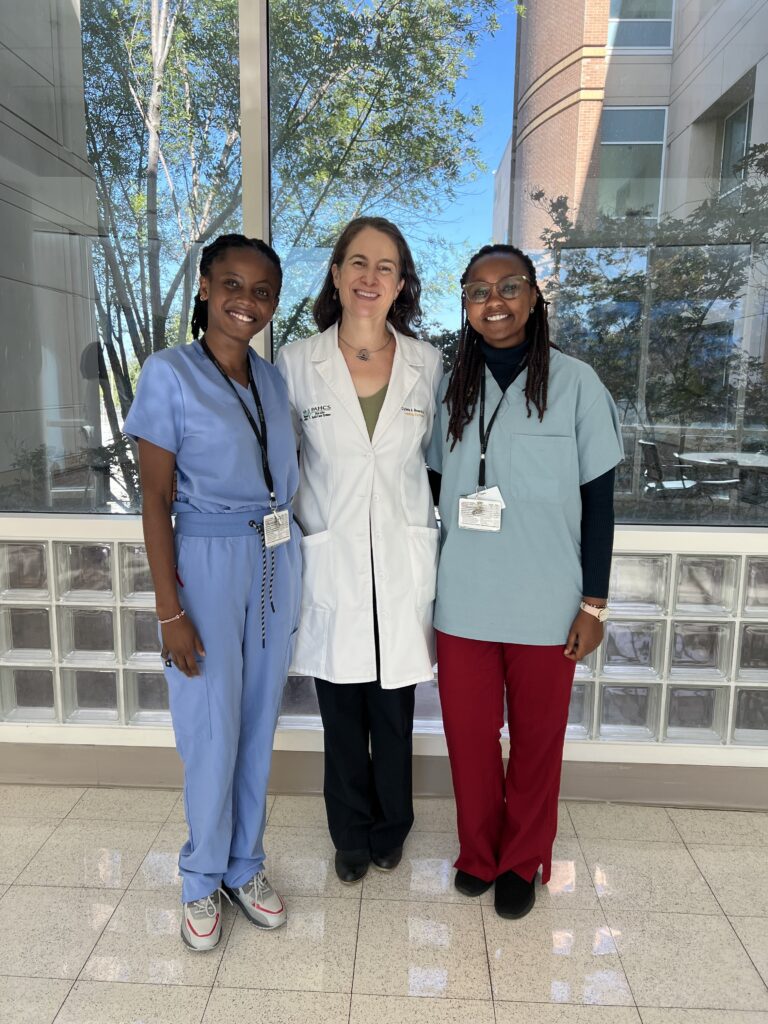
A recent visit to the Stanford School of Medicine by two top medical students from Moi Teaching and Referral Hospital in Eldoret, Kenya cultivated cross-cultural learning and the bilateral sharing of medical knowledge.
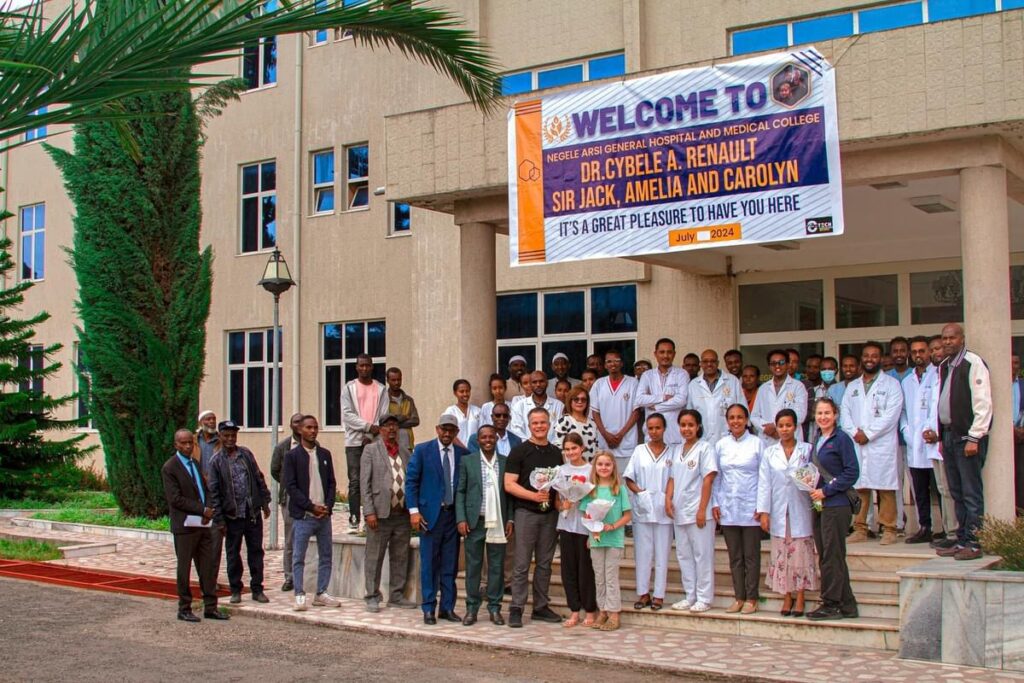
A collaboration with an Ethiopian medical school, Negele Arsi General Hospital and Medical College, awakens Stanford Residents to global possibilities.
In 2025, Stanford African Scholars in Global Health (SASH) scholars had the opportunity to lead insightful discussions on critical health challenges across Africa in partnership with the Stanford Center for African Studies.

In a collaboration between Stanford University and South African researchers, a transformative study of the gut microbiome within the African continent is advancing scientific knowledge while also fostering a new generation of global health researchers committed to community engagement.