Published: 06/20/2026
By Catherine Wu, Global Health Communications Assistant
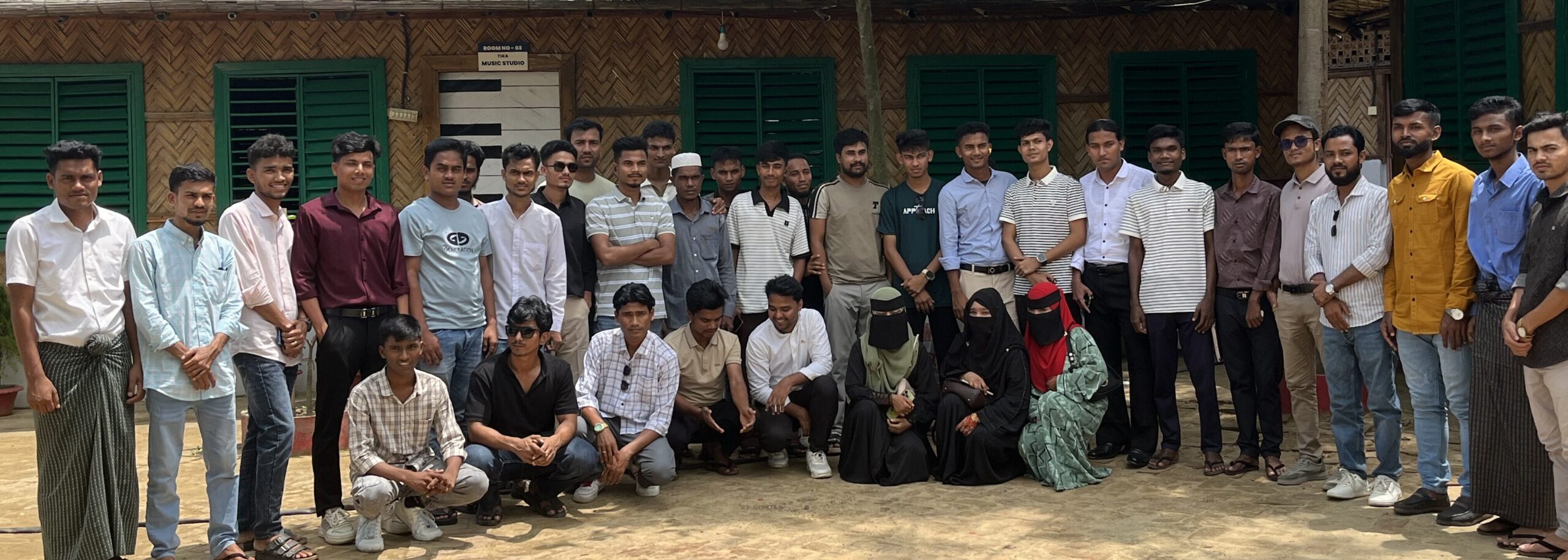
(Photo courtesy of Christopher LeBoa)
In recognition of World Refugee Day on June 20, we hope to raise awareness for the 120 million forcibly displaced people worldwide, and the community advocates working to support them.
Stanford’s Center for Innovation in Global Health (CIGH) is proud to support a collaborative effort with two centers at UC Berkeley, which is reshaping how refugee youth access education and leadership development in their communities. Christopher LeBoa, PhD, a postdoctoral scholar and fellow in the National Institutes of Health Global Health Emerging Scholars program supported by CIGH and based at Berkeley, co-launched a global workshop series: “Connecting Across Cultures: An 8-Part Skills-Building Series for Refugee Youth Organizers” alongside Bhavya Joshi, a Doctor of Public Health (DrPH) candidate at UC Berkeley’s School of Public Health.
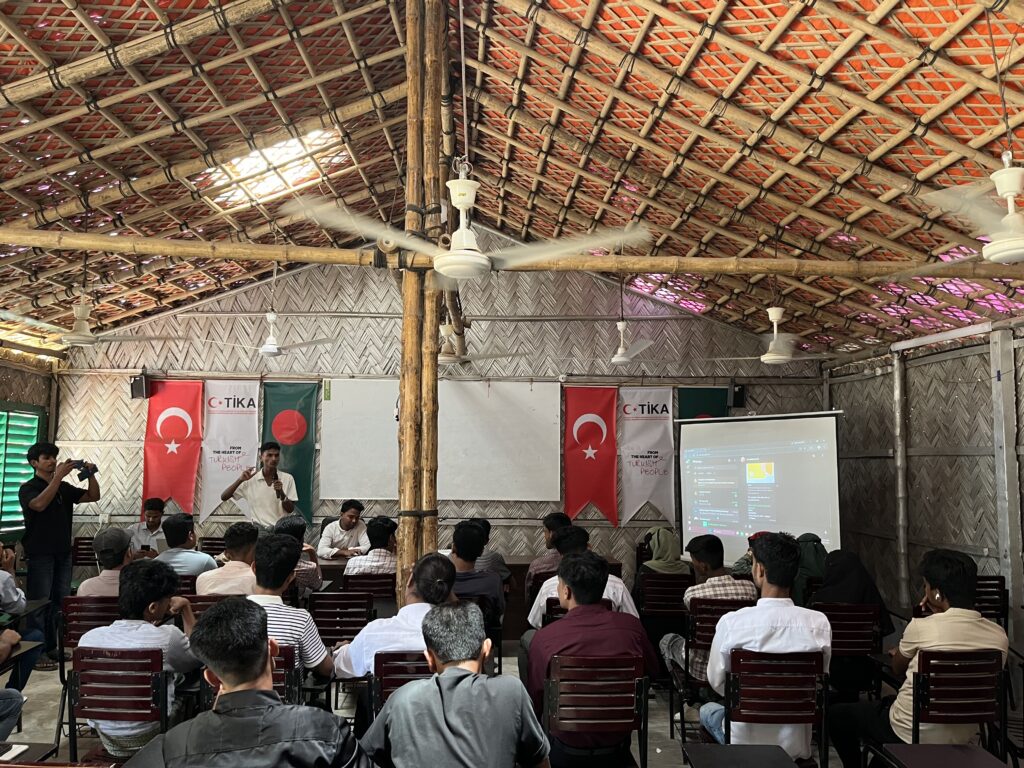
Starting in April, LeBoa and Joshi brought together youth from the Rohingya community in Cox’s Bazar, Bangladesh — home to the world’s largest displacement settlement, sheltering over one million people — and youth from Kakuma refugee camp in Kenya — hosting nearly 300,000 refugees and asylum-seekers — for virtual workshops delivered by experts. The series is the first of its kind to create a shared, cross-camp learning space connecting South African and East African refugee communities. Rather than designing a curriculum for refugee youth, LeBoa and Joshi designed it with them. Specifically, workshops are structured around needs that the youth identified: grant writing, human rights frameworks, research skills, website design, and other tools for community advocacy.
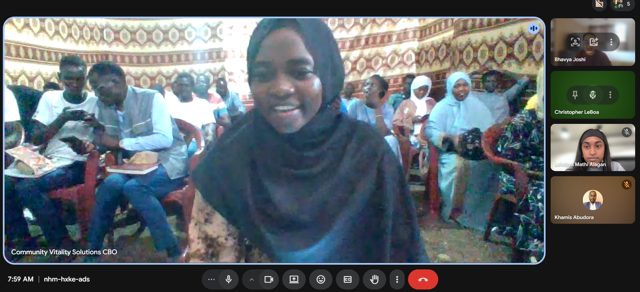
The first workshop, held on April 30, focused on grant writing and was delivered by Rebecca Clendenen, PhD, the chief development officer for Foraging Opportunities for Refugees in America. More than 140 participants joined from the Kakhuma and Kutupalong refugee camps in Bangladesh and Kenya, respectively. The second workshop, which took place on May 30, centered on human rights frameworks and was joined by guest speaker Rohini Haar, MD, MPH, a researcher and human rights advocate with Physicians for Social Responsibility.
Following completion of the eight-part workshop, participants will conduct a final project in their local community to apply the skills they gained from the series.
This global workshop series reflects LeBoa’s commitment to raising support for refugee communities. In April, LeBoa also supported the publication of a commentary in The Guardian on the impacts of cuts to international aid to Rohingya refugee camps. The commentary was co-written by Ajas Khan, a Rohingya refugee youth leader from Rakhine state, Myanmar, alongside Gavin Nalu and Chloe Chan, two Stanford students working with LeBoa in the Science Writing Advancing Global and Planetary Health class co-led by the CIGH and the Stanford Center for Human and Planetary Health.
Rohingya and Kakuma based youth are working hard to improve the living conditions for themselves and communities. Even through the many barriers as a refugee — like being denied the right to work, education or movement. We are trying to be supportive in ways that we can, by being in good relation and asking our partner organizations – how can we help? Knowing that it is going to take a lot more work for these situations to change.
Christopher LeBoa, PhD, postdoctoral scholar and fellow in the National Institutes of Health Global Health Emerging Scholars program supported by CIGH and based at Berkeley
“Connecting Across Cultures: An 8-Part Skills-Building Series for Refugee Youth Organizers” is supported by the Stanford Center for Innovation in Global Health, UC Berkeley Bixby Center for Population, Health, and Sustainability, UC Berkeley Center for Southeast Asian Studies, as well as community partners including Community Vitality Solutions, Youth Action for Myanmar, and the Rohingya Green Nature Society.