Published: 10/19/2026
Stanford-led initiative to address eco-anxiety takes root in Lagos, London, and New Orleans
By Catherine Wu, Global Health Communications Assistant, and Jamie Hansen, Global Health Communications Manager
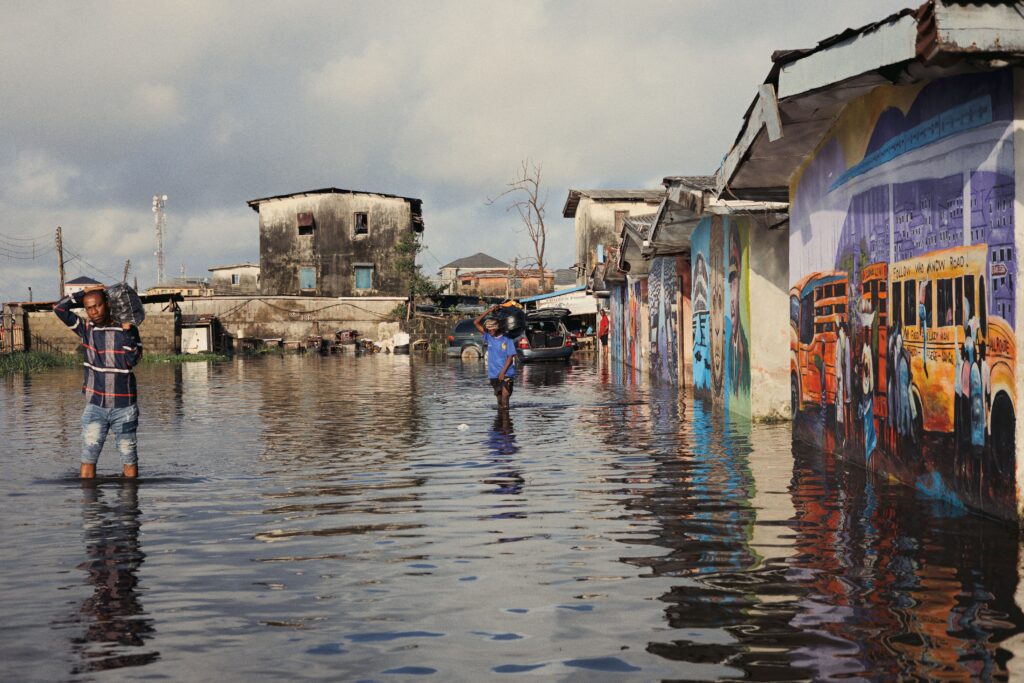
From Lagos, Nigeria, to New Orleans, USA, elders and youth are sitting down to talk about something that their generations rarely discuss together: anxiety and emotional distress caused by climate change.
The intimate, carefully structured, intergenerational conversations were sparked by a Stanford-led initiative built on evidence-based strategies for coping with climate distress.
This project is a novel social intervention for bridging the gap on how disparate generations feel about climate change, and was funded by a 2022 CIGH Global Health Seed Grant and led by co-investigators Daryn Reicherter, MD, Stanford clinical professor of psychiatry, and Britt Wray, PhD, director of CIRCLE at Stanford Psychiatry.
It was designed to respond to a growing and under-addressed need: the existential risks of climate change and planetary destruction are causing a rising tide of psychological distress often referred to as “eco-anxiety,” requiring greater investment in emotional and mental health care, especially for young people.
The real-world impact of this grant has been far wider than I ever would have first imagined. The initial work it enabled from within the university traveled far outside of it, and continues to undergird active community-based climate resilience projects in Nigeria to this day, with no sign of slowing.
Britt Wray, PhD, director of CIRCLE at Stanford Psychiatry
Meeting a growing and unmet climate challenge
Wray’s work with CIGH started when she was an inaugural Planetary Health Fellow, jointly mentored with the London School of Hygiene and Tropical Medicine. Research published during her fellowship mapped the scale of the problem. In a study of 10,000 young people in 10 countries, three-quarters said the future frightens them, and half reported that climate anxiety affects their daily lives.
Called Climate Conversations, Wray and Reicherter’s project sought to meet the scale of the problem by pairing youth with elders to provide intergenerational support and inspire community-based solutions. It was piloted in three countries and leveraged technology from the Local Voices Network, a speech-processing platform that enables partners to bring communities together for listening, understanding, and sharing.
Following the intervention, a majority of participants said they wanted to learn more about climate change, how it impacts mental health, and how it threatens to worsen health inequities they already face in their community to better defend against these burdens.
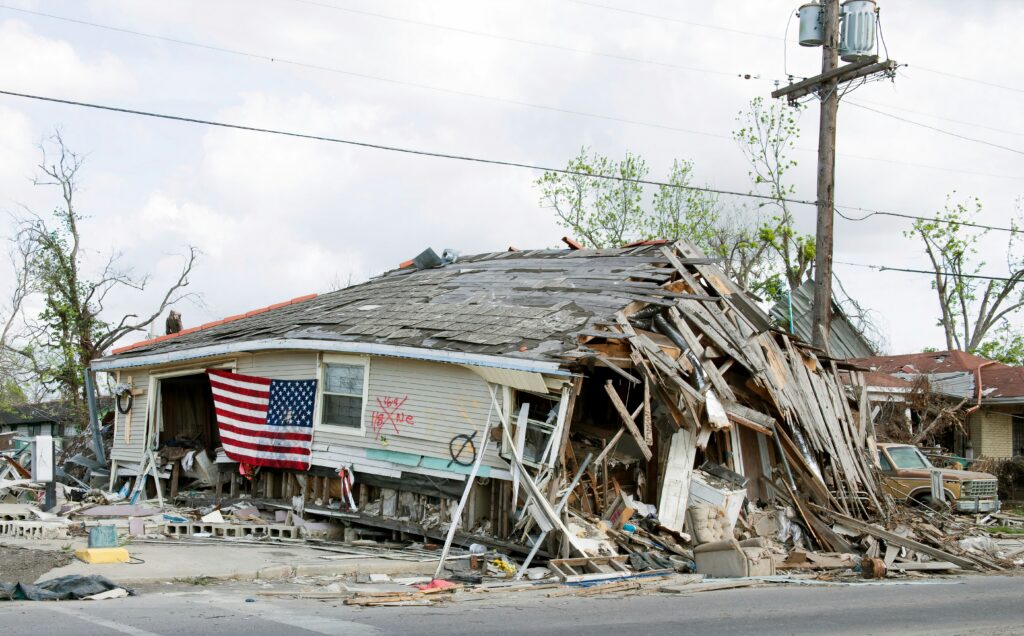
The project’s momentum has continued well beyond the initial seed funding. In Lagos, collaborator Jennifer Uchendu incorporated intergenerational climate conversations as a foundational program of the nonprofit she founded, SustyVibes. The program, called The Eco-Anxiety Africa Project, has since attracted its own funding. Sustyvibes has also brought intergenerational climate conversations to multiple locations across Nigeria to explore solutions to climate-related challenges.
“It created a space for us to hear about the similar and different ways eco-anxiety manifests in elders and youth, and what intergenerational sustainable solutions could look like,” said Svetlana Onye, the Executive Director of SustyVibes, the organization that Uchendu founded.
Using insights from these conversations, SustyVibes is now turning the intergenerational approach toward Nigeria’s waste crisis, holding what they call “Community Waste Dialogues” and neighborhood street clean-ups. Additionally, an event called “Roots & Futures” brought elders and youth together for group art therapy as a tool to express their eco-anxiety.
Youth facilitator Megan Wardsworth, a community health worker, has also joined Wray’s Community-minded Interventions for Resilience, Climate Leadership, and Emotional well-being (CIRCLE) initiative at Stanford Psychiatry as a junior researcher.
The project has also yielded broader insights about how to help communities cope with climate distress, which have been shared widely. Wray contributed to the American Psychological Association and EcoAmerica’s 2023 report on children, youth, and climate mental health. Her collaborator, Sally Weintrobe, published an account of the conversations in The Psychoanalytic Study of the Child in 2024.
These are just a few ways that intergenerational work is being embedded into what we do to create a broader picture of what equitable and intergenerational climate justice looks like, especially through the lens of emotional resilience amid climate change.
These are just a few ways that intergenerational work is being embedded into what we do to create a broader picture of what equitable and intergenerational climate justice looks like, especially through the lens of emotional resilience amid climate change.
The Global Health Seed Grant was co-funded by the Sean N. Parker Center for Allergy and Asthma Research.