
Published: 01/10/2026
By Catherine Wu, Global Health Communications Assistant
Adeline Liao lost her grandmother to a bacterial infection in 2019, when she was 13 years old.
“It was very strange,” said Liao, whose family is from rural Taiwan, along with her grandmother. “She was perfectly healthy, and just out of absolutely nowhere, she suddenly died.”
The unexpected loss opened Liao’s eyes to the many factors that contributed to her grandmother’s death, including access to antibiotics. She realized that it wasn’t enough for antibiotics to exist — pharmaceutical companies’ interests and hospitals’ access to medications also dictated whether people like her grandmother could receive access to lifesaving treatment when they needed it most.
Now, as a Stanford junior, Liao is working to address the structural impediments that contributed to her grandmother’s death. She is studying Computer Science, with a focus in Computational Biology, and Economics, as she builds Niora Systems, her pharmaceutical procurement platform that helps hospitals in emerging markets anticipate drug needs and prevent shortages.
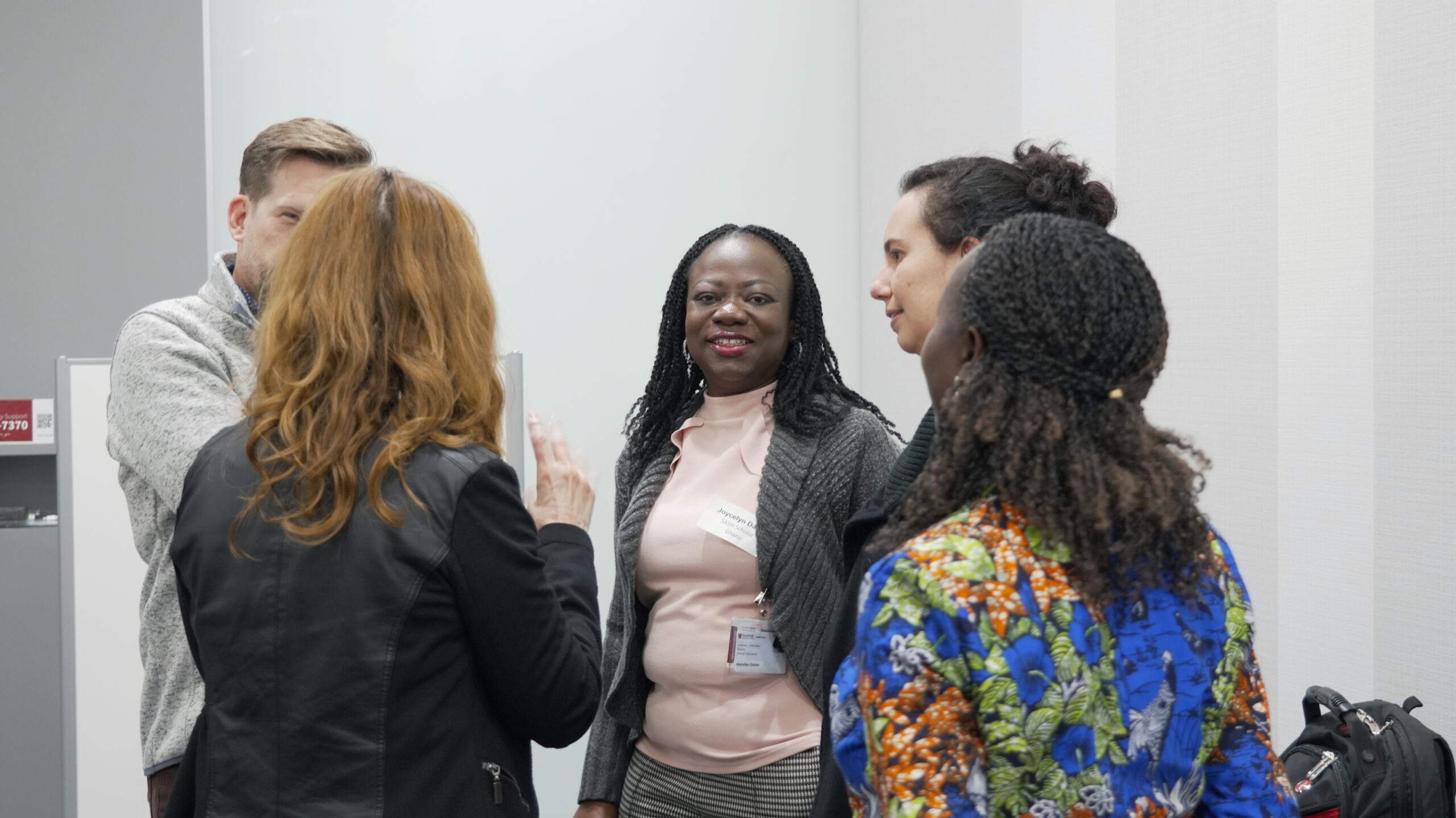
Liao’s efforts to address global antibiotic shortages grew this year when she connected with Joycelyn Dame, a Ghanaian health leader committed to addressing the crisis of antimicrobial resistance in Africa through the Stanford African Scholars in Global Health (SASH) program. The SASH program brings physician-leaders from Africa to Stanford for six weeks to gain a skill they’ve identified as a need in their home country, followed by grant and mentorship support to implement a year-long quality improvement project when scholars return home.
SASH Scholar Dr. Joycelyn Dame, a senior lecturer and pediatric infectious disease specialist at Korle Bu Teaching Hospital in Ghana, was first drawn to the SASH program to learn about Stanford’s antimicrobial stewardship efforts. Through SASH, she sought to establish a similar program in her home hospital’s pediatric medical and surgical wards.
“As a pediatric infectious disease physician, I recognise the urgency of the antimicrobial resistance crisis in Ghana, and I knew that SASH would equip me with the skills to address it more effectively,” Dame wrote.
“The opportunity to collaborate with colleagues from across Africa and Stanford was also a major motivation,” Dame continued. “I wanted to learn from others, share experiences, and build partnerships that could strengthen stewardship efforts across the region.”
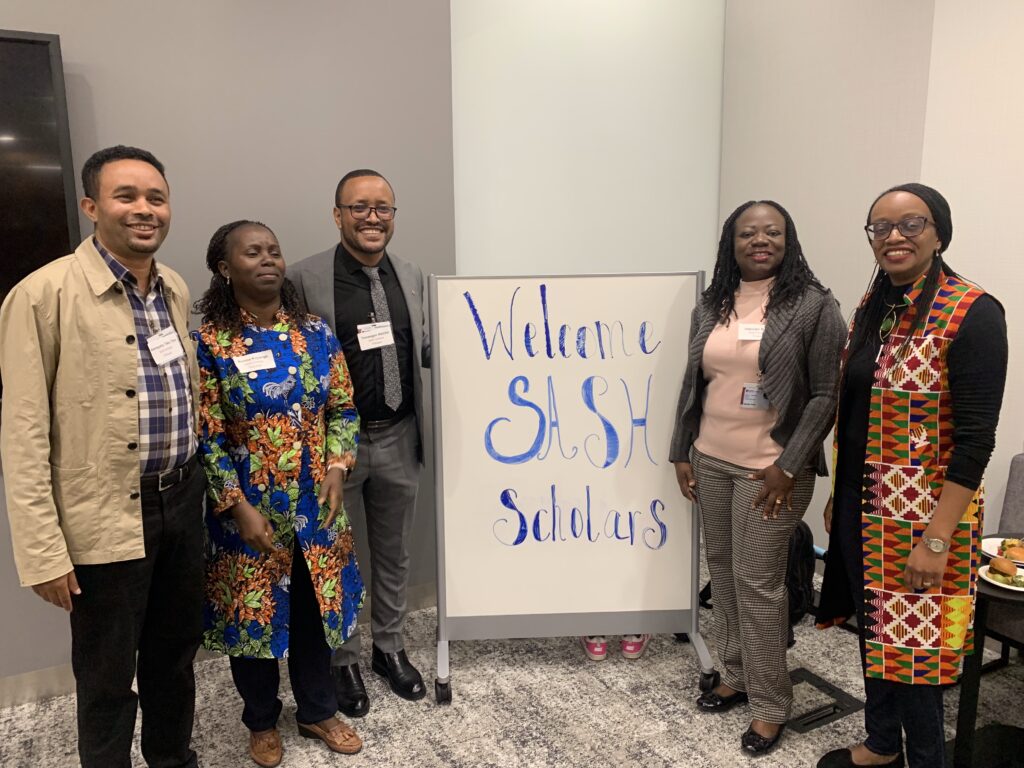
During the program, Dame and Liao were introduced by Kelsey Fisher, SASH Program Manager.
Dame recalled that Liao’s proposed work forecasting medicines to prevent shortages and stock-outs in Ghana “immediately resonated” with her.
“The idea that technology could help secure a reliable antibiotic supply — and ultimately strengthen antimicrobial stewardship — was fascinating. Our shared interest in improving access to essential medicines made the collaboration a natural fit, and it grew organically from that initial introduction when I was at Stanford,” Dame wrote.
Liao, in turn, was grateful for Dame’s expertise to help translate Niora Systems to real-world contexts. “Seeing [from Dame] how this translates on the ground and also connecting with teams in Ghana has made a huge difference,” she said. “I’m incredibly grateful for her support.”
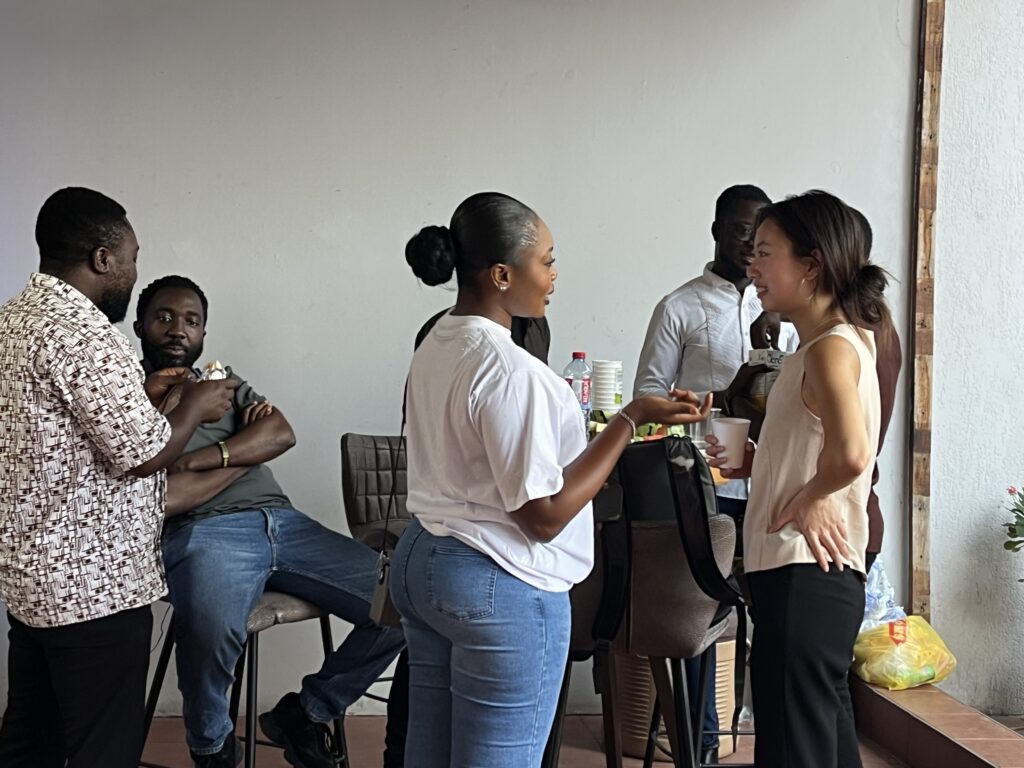
Moving forward, the two are hopeful that their collaboration will address challenges in antimicrobial stewardship and ensure a reliable supply of antibiotics in Ghana’s hospitals.
Dame hopes the collaboration will lead to a sustainable model for medicine forecasting that can be implemented across health facilities in Ghana and beyond.
“Niora’s innovative forecasting technology offers a practical, data-driven solution to medicine shortages and stock-outs — issues that directly affect patient outcomes and contribute to inappropriate antibiotic use,” Dame wrote. “Ultimately, the impact I envision is improved antibiotic access, stronger antimicrobial stewardship, and better protection for children who depend on timely, effective treatment.”
To Liao, this collaboration has opened up opportunities for long-term impact. “Our goal is not just forecasting, it’s not just getting medications, it’s not just buying more medications… but on structural changes to the procurement market to stabilize the payments and systems that hospitals are using,” she said. “In the future, we want to see a world where stockouts don’t happen.”