Programs in Education
Global Health Media Fellowship 2027-28
This unique opportunity provides a Stanford medical student with up to 12 months of practical training in the fundamentals of journalism, communications, and global health reporting on a variety of media platforms in order to build a generation of physician-storytellers who can combat medical misinformation and shine a light on untold global health stories.
About the Fellowship
In order to overcome medical misinformation and build public trust, the world needs more physicians who are also versed in journalism and communication.
This year-long fellowship, the first of its kind in the U.S., teaches physicians-in-training to use various media channels to advocate and inform on global health issues. The selected fellow learns how reporting on global health issues can impact health and human rights efforts, foundation and government health assistance, and individual health choices.
Through coursework, independent reporting, and a CNN internship, fellows gain an understanding of how to tell compelling stories and work with local, national and international media outlets in order to share valuable medical and global health information with the general public.
This program is supported by Stanford Journalism, CNN Health, Stanford’s Medical Scholars Research Program (MedScholars) Stanford Health Policy, and generous individual donors. Donations to the fellowship can be made here.
Apply hereProgram Overview
Each year, one fellow is chosen from a pool of Stanford medical students committed to a career in global health and interested in journalism or health communication. The selected fellow receives roughly 10 months of practical training in the fundamentals of journalism, communications, and global health reporting on a variety of media platforms, including print, online, broadcast, and social and digital media.
The fellowship is divided into three rotations:
Autumn quarter (mid-September through mid-December): Fellows are on campus auditing courses full-time in Stanford’s Graduate Program in Journalism.
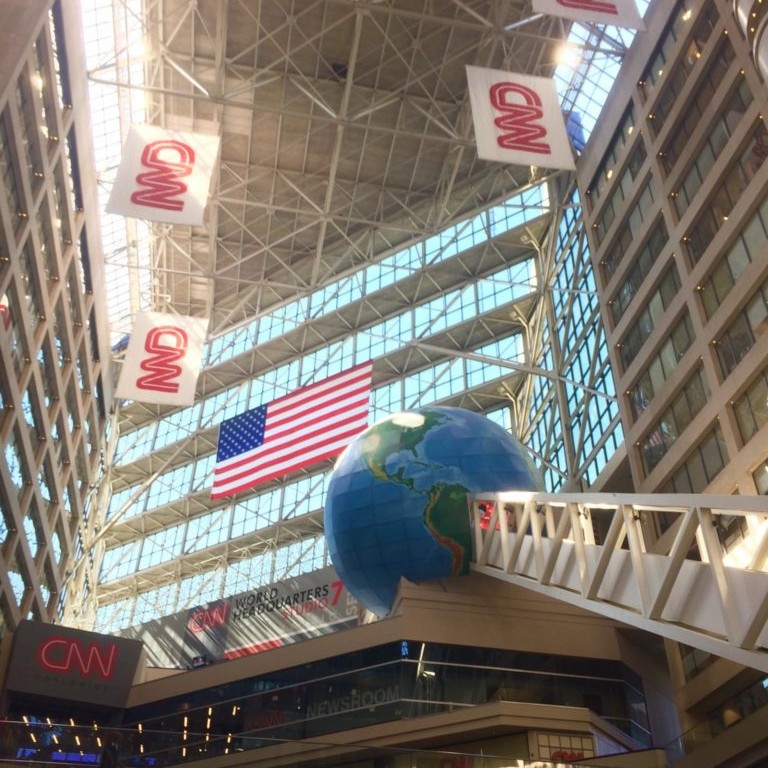
Winter quarter (mid-January through mid-April): The fellow is embedded at CNN in Atlanta with Dr. Sanjay Gupta’s health reporting team to learn the fundamentals of health reporting and gain hands-on experience.
Spring quarter (late April through late June): The fellow conducts a capstone project based on their interests and focused on developing the skills they most wish to hone to improve their global health storytelling and mass communication capabilities. Examples include overseas reporting trips or opportunities to work with communications teams at global health organizations.
Eligibility
Applicants must be currently enrolled as a medical student at Stanford to be considered.
Applicants must be eligible to apply for at least 1 full-time research quarter of MedScholars
Fourth-year medical students interested in applying can opt to delay their residency and do a fifth year of medical school in order to be eligible.
Due to funding changes, we can only offer the fellowship to Stanford medical students for the 2027-28 year. We are exploring other funding options that would enable us to expand fellowship eligibility again in future years.
Funding
Please note: Funding for the fellowship is different for the 2027-28 year than prior years.
- During autumn quarter, students audit Stanford journalism classes for free but are responsible for their own housing and living expenses.
- Students remain enrolled as a matriculated student in a guided research program under Dr. Michele Barry, director of CIGH. This enables fellows to maintain health insurance and access to campus facilities.
- CIGH covers the cost of fellow tuition for autumn and winter quarter (roughly $4,000 per quarter).
- A small additional living stipend of roughly $7,000 will be provided during Autumn Quarter.
- In the winter quarter, fellows intern with CNN’s Health team from their Atlanta office, including Chief Medical Correspondent Dr. Sanjay Gupta. A modest salary of roughly $4,000 per month (estimated $12,000 total) will be provided during this portion of the fellowship. Fellows are responsible for their housing, transportation, and living expenses in Atlanta.
- During spring quarter, fellows are supported in their capstone project through Stanford MedScholars, contingent on acceptance of their project.
- Fellows must submit their application to the Medical Scholars Research Program (MedScholars) by the winter deadline.
- The stipend rate is determined during the summer for the next academic year. For reference, the 2026-27 stipend rate for 100% effort is $16,300 with $3,993 applied towards the research tuition rate, with $12,307 disbursed as a stipend.
- Up to $2,500 may be provided by MedScholars for travel expenses when students pursue a project abroad. Learn more about MedScholars here.
MedScholars Application
Accepted fellows must apply separately for a MedScholars research project to support their Spring Quarter capstone.
Students should be prepared to submit a complete MedScholars application and use the proposal template: https://med.stanford.edu/medscholars/application.html
- Projects must be “research” or “scholarly” in nature
- Generally, projects must be able to articulate a question of scholarly interest, a recognized research or scholarly methodology for addressing it, and a likelihood of producing results that will be of interest to a field of scholarly inquiry and made publicly available
- MedScholars normally cannot fund other project types, such as working on/for businesses, improving personal skills, reviewing literature in interesting areas, direct service provision
- Must have a substantial role in the project
- Projects must be done with a Stanford faculty mentor and on-site mentor
- Should apply two quarters before the start of funding
Timeline
Applications for the 2027-28 year will open Dec. 3, 2026 and close Jan. 22, 2027.
Finalists will be contacted and interviewed in mid-late February. A fellow is typically selected by mid-March.
The fellowship begins in September and runs through the following July.
Fellows must apply for MedScholars by the October 2027 deadline (TBD).
Goals and Objective
We want to grow the audience for global health stories and we want to make sure the stories that are told are accurate. To help physicians engage with journalists, we designed this program to teach fellows:
- How journalists and TV medical correspondents select and frame topics, stories, and issues in the field of global health;
- Techniques to present and write persuasively about global health, medicine, and science;
- How to access new channels and technologies for persuasive communication.
Upon completion, the fellow will produce an in-depth article or other substantive media creation on a global health topic.
The Fellow will return to medical training with the expectation that in addition to treating patients, conducting research or teaching, she or he will also become an advocate and spokesperson for global health issues.
Contact Us
If you have questions, please email Communications Manager Jamie Hansen at jmhansen@stanford.edu.
Global Health Storytelling Advocacy Through Journalism: Webinar presented by Tasnim Ahmed
In this American Academy of Pediatrics webinar, 2021-22 Global Health Media Fellow Tasnim Ahmed shares lessons and insights gained through her fellowship with Stanford Journalism and CNN Health, about Global Health storytelling and advocacy through journalism.
Watch the videoFellows by year
- 2011-12: Joyce Ho, Stanford medical student
- 2012-13: Kristina Krohn, MD, resident at the University of Minnesota
- 2013-14: Hayley Goldbach, University of Pennsylvania medical student
- 2014-15: Maren Shapiro, University of Pennsylvania medical student
- 2015-16: Michael Nedelman, Stanford medical student
- 2016-17: Priya Raja, University of Texas Southwestern Medical Center medical student
- 2017-18: Mark Lieber, University of California, Irvine medical student
- 2018-19: Edith Bracho-Sanchez, Children’s Hospital of Philadelphia pediatric resident
- 2019-20: Gina Yu, University of Michigan medical student
- 2020-21: Christopher Rios, Stanford medical student
- 2021-22: Tasnim Ahmed, Stanford medical student
- 2022-23: Janelle Chavez, Stanford Medical Student
- 2023-24: Mira Cheng, Stanford Medical Student
- 2024-25: Neha Mukherjee, Icahn School of Medicine at Mt. Sinai Medical Student
- 2025-26: Michal Ruprecht, Wayne State University School of Medicine
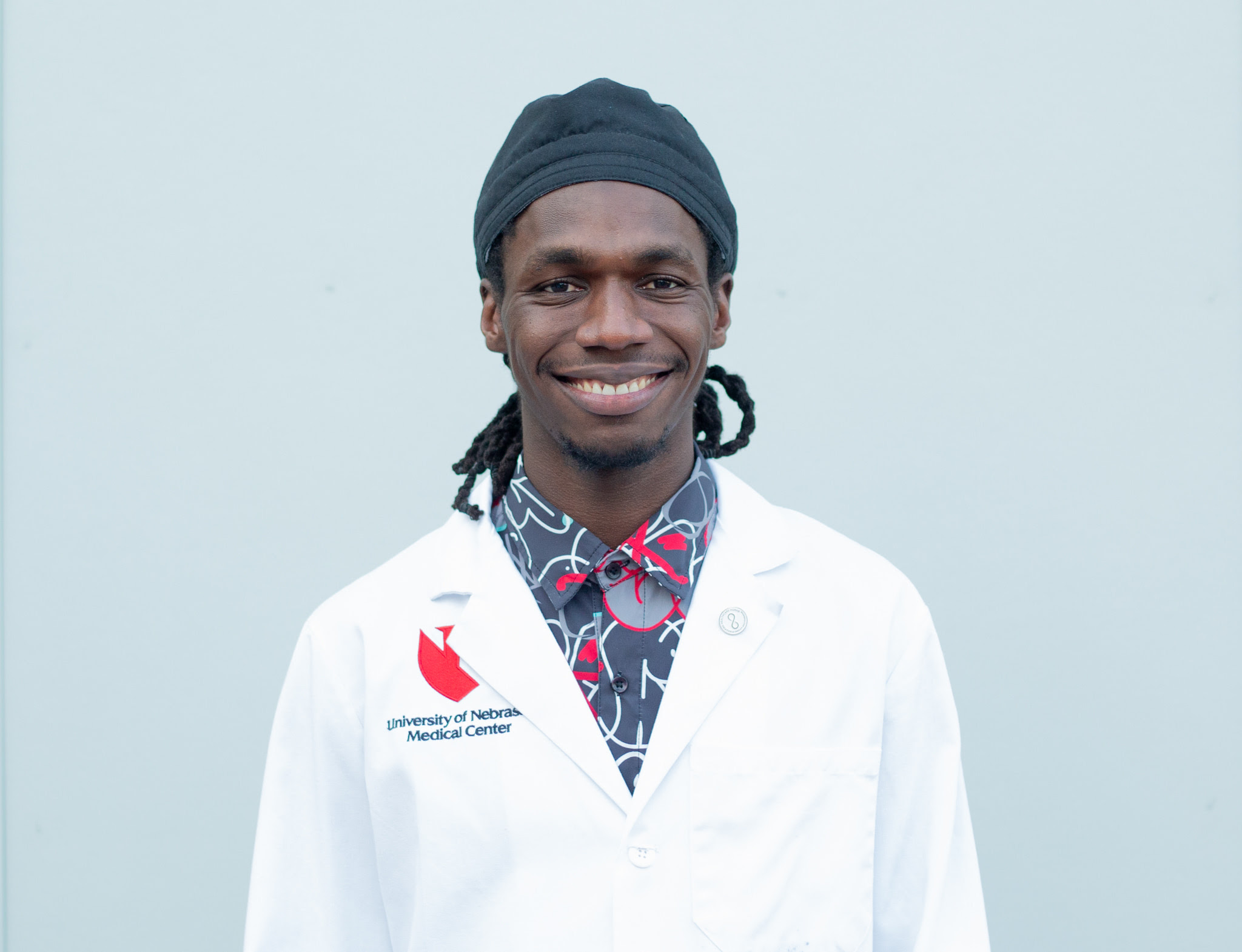
- 2026-27 (current): Omar Ceesay, University of Nebraska Medical College
Selected Recent Media Fellow Stories
The drug lenacapavir is a mighty weapon against HIV. Its rollout gets mixed reviews | Michal Ruprecht, 2025-26 Fellow, NPR and Weekend Edition
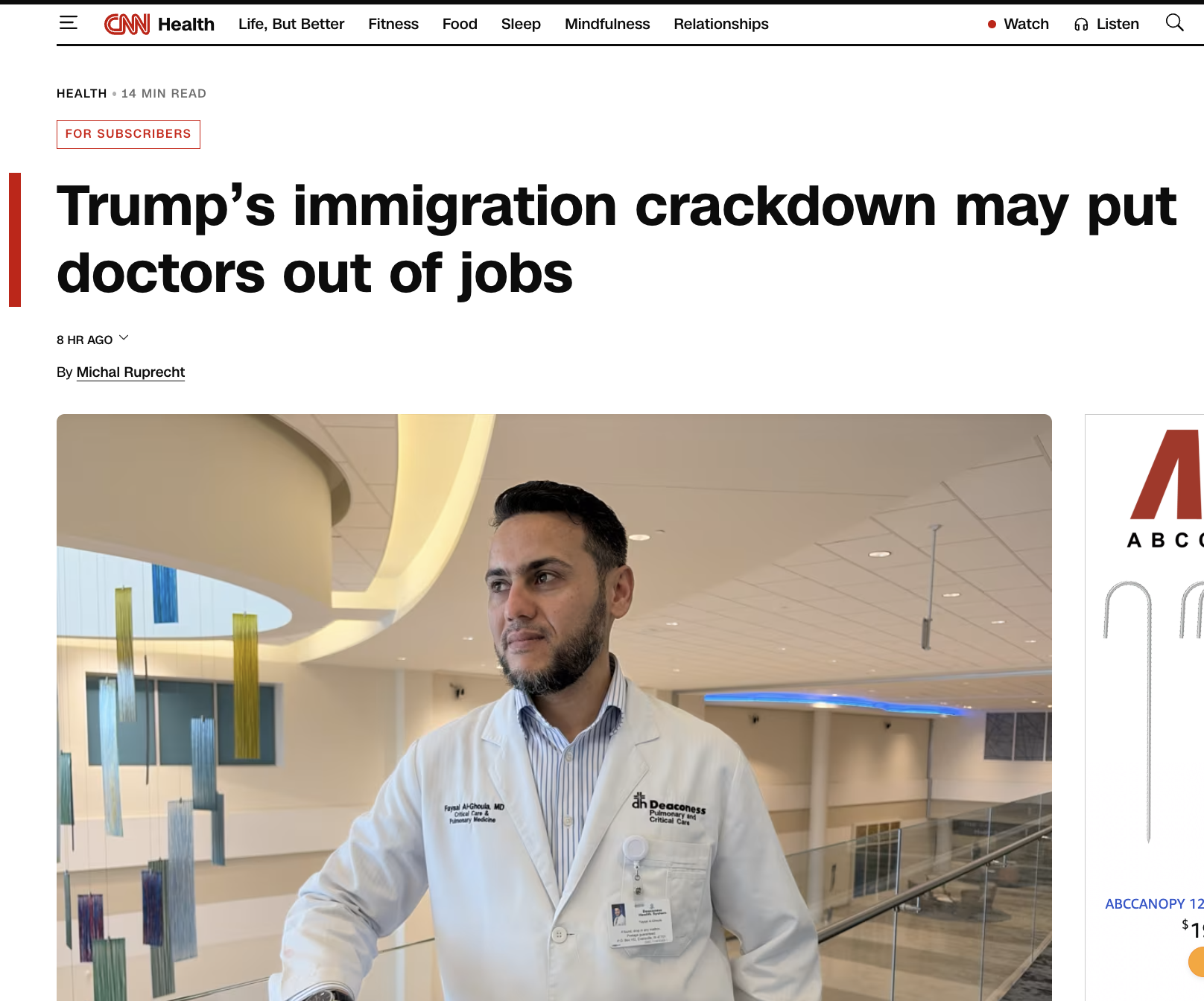
Trump’s immigration crackdown may put doctors out of jobs |Michal Ruprecht,2025-26 Fellow, CNN
‘Betrayed’: Families are dealing with dashed hopes after pivot on autism treatment | Michal Ruprecht,2025-26 Fellow,CNN
What to know about glyphosate, the herbicide behind a Trump executive order that’s angered MAHA moms | Michal Ruprecht, 2025-26 Fellow, CNN
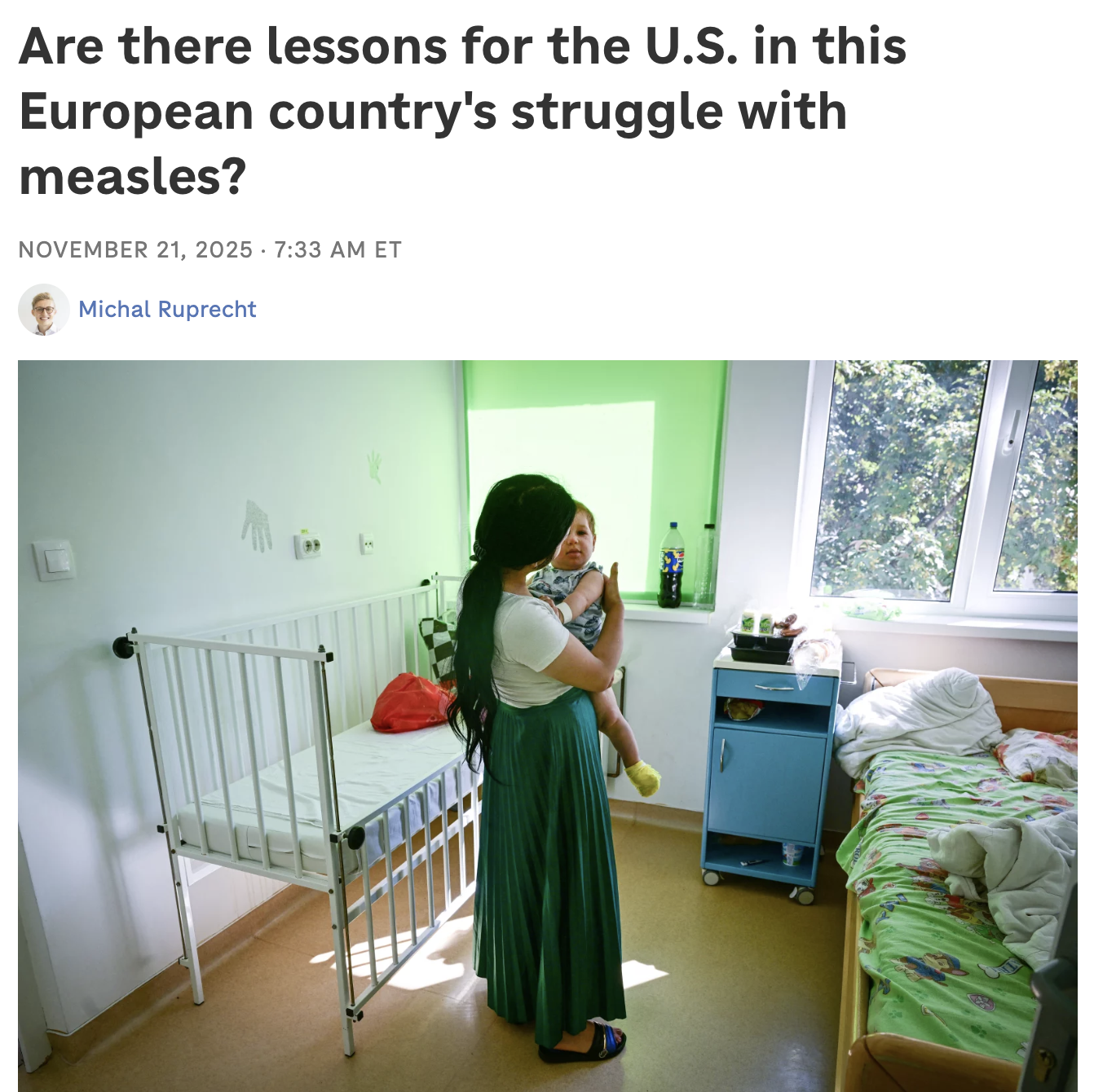
Are there lessons for the U.S. in this European country’s struggle with measles? | Michal Ruprecht, 2025-26 Fellow, NPR
Dr. Peter Hotez Takes the War Against Science Very Seriously | Michal Ruprecht, 2025-26 Fellow, NPR
This is what could happen to a child who doesn’t get vaccinated | Michal Ruprecht, 2025-26 Fellow, NPR
‘We all deserve safety’: Local anti-human trafficking groups navigate threats from ICE | Michal Ruprecht, 2025-26 Fellow, Stanford’s Peninsula Press
How Anti-Immigration Measures Could Deplete the US Health Workforce | Neha Mukherjee, 2024-25 Fellow, Think Global Health
Response to multistate measles outbreak hampered by unique set of challenges | Neha Mukherjee, 2024-25 Fellow, CNN
When speaking with vaccine-hesitant patients, pediatricians turn to these tips | Neha Mukherjee, 2024-25 Fellow, CNN
Gender-Based Violence: The Unseen Toll of Hurricanes | Mira Cheng, 2023-24 Fellow, Think Global Health
Barriers to US suburban Mpox vaccination persist amidst global emergency | Neha Mukherjee, 2024-25 Fellow, The Peninsula Press
Harris spent $2.4M on reproductive health ads targeting Georgia voters in campaign’s closing month | Neha Mukherjee, 2024-25 Fellow, The Atlanta Journal-Constitution
Doctors fleeing primary care is a crisis for Boston’s low-income neighborhoods | Tasnim Ahmed, 2021-2022 Fellow, The Boston Globe
How Medical Education is Adapting to Climate Change | Mira Cheng, 2023-24 Fellow, Think Global Health
Global fertility rates to plunge in decades ahead, new report says | Mira Cheng, 2023-24 Fellow, CNN
Paying people to stay sober: Promising but controversial treatment taking hold in California | Mira Cheng, 2023-24 Fellow, The San Francisco Chronicle
How ‘extraordinary’ survivors are still being pulled from rubble 10 days after massive earthquake | Janelle Chavez, 2022-23 Fellow, CNN
Climate change is contributing to the rise of superbugs, new UN report says | Janelle Chavez, 2022-23 Fellow, CNN
Tolerating the Pain: Accessing Medical Morphine in Bangladesh Roadblocks to getting opioids leave seriously ill patients coping with unbearable pain | Tasnim Ahmed, 2021-2022 Fellow, Think Global Health
Testimonials
“I’m nearly halfway through the Global Health Media Fellowship, and I’ve already grown significantly — both professionally and personally. As a member of the journalism master’s program, I’ve made lifelong friends while working on impactful journalism projects. Though this portion of the fellowship is brief, I grew close to those around me. I even wound up on a beach in Santa Cruz holding a broken surfboard with my classmates. The close-knit community I developed on campus also exists among the past media fellows. It’s telling that many fellows choose to return to Stanford for post-graduate training. And because of that, I’ve had the opportunity to connect with past fellows like Mira and Mark. Thus far, the fellowship has been everything I’ve imagined and more. I can’t wait for the remaining months.”
—Michal Ruprecht, medical student, Wayne State University School of Medicine, 2025-26 Global Health Media Fellow
“The global health media fellowship opened my eyes to the power of storytelling as a tool for sharing science information. As future physicians, we often get bogged down in scientific jargon, and end up using language that is difficult to understand. This year taught me how to translate complex concepts into digestible content. These words, however, carry even more impact when they are paired with personal anecdotes. For example, I spent the majority of my time at CNN reporting on the measles outbreak in West Texas. Beyond the total case counts and explanations of vaccine science, we also told stories of the children who died in the outbreak, the families who became susceptible to misinformation, and the public health workers who tirelessly protected their communities. Above all, I learned that in a year of drastic geopolitical change, good information still matters. It is our duty to remember that.”
— Neha Mukherjee, medical student, Icahn School of Medicine Mount Sinai, 2024-25 Global Health Media Fellow
“As a Global Health Media Fellow, I learned how to harness the knowledge and trust that we are endowed with as physicians to communicate clear and important messages. The Fellowship helped me better understand the current media landscape and the dangers of misinformation and information inequity. I plan to use my platform as a pediatrician in the future to advocate for child health locally and globally.”
— Mira Cheng, medical student, Stanford Medical School, 2023-2024 Global Health Media Fellow
“I had the opportunity to complete the fellowship during the COVID-19 pandemic. I worked at CNN, sharing information about the then unknown disease to millions who relied on our coverage to learn about the deadly condition. It was a life-changing experience; COVID-19 was the first disease in my lifetime to be associated with an infodemic, and I quickly realized the power and responsibility we have as doctors to stop misinformation and help guide informed public health outcomes on shared and free media platforms to best educate people about their health. I am now researching the influence of misinformation on health outcomes in vulnerable patient groups with limited access to healthcare but abundant access to free, easily accessible resources such as the internet and media to identify patients at risk of non-adherence due to medical distrust and misinformation. I am forever grateful for the tools the fellowship provided to guide this research and the care I provide my patients.
— Gina Yu, MD, ophthalmology resident at Stanford University, 2019-2020 Global Health Media Fellow
“The Global Health Media Fellowship gave me an entirely new perspective on how to develop and implement effective global health interventions using media modalities. During the international portion of my fellowship, for example, I worked with the Laotian Ministry of Health to produce public service announcements in response to dengue and hepatitis A outbreaks. This not only allowed me to hone my production/editing skills, but also showed me how important it is to support cross-collaboration between different government agencies.
— Mark Lieber, MD, Msc, Rising Infectious Disease Fellow, 2017-2018 fellow
“I learned how to hone the power of doctors’ voices through the Global Health Media Fellowship. Caring for patients in our exam rooms, teaching medical students, and advocating for health on a broader scale require certain skills from doctors. We need to be solid clinicians and excellent communicators. Health doesn’t start and stop when patients enter and exit the exam room. I teach medical students at the University of Minnesota skills for advocating for the health of all inside and outside of the exam room.”
— Kristina Krohn, MD, Associate Professor for Internal Medicine and Pediatrics at the University of Minnesota, 2012-13 fellow
News and Articles