Published: 05/13/2026
Four coordinated manuscripts outline how millions of women and adolescent girls are affected by the devastating effects of a neglected tropical disease, and how systems must change.
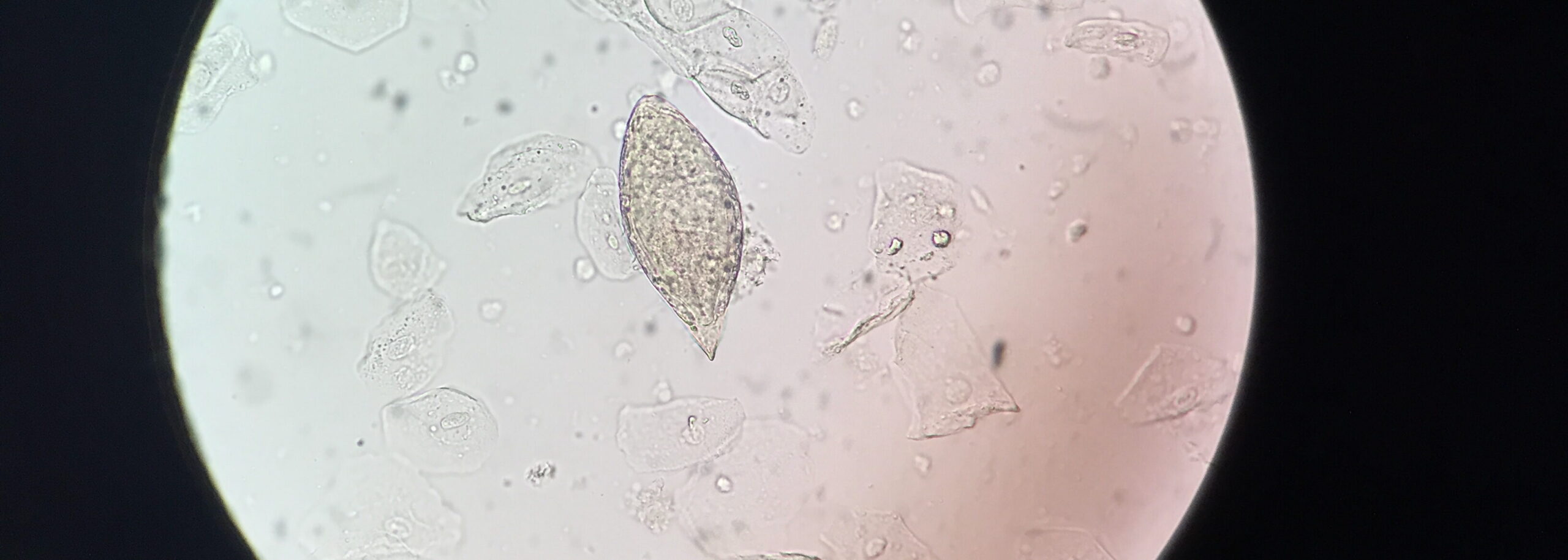
A landmark series of four coordinated articles were published today in the Lancet Microbe and the Lancet Global Health outlining the devastating consequences of schistosomiasis – a waterborne parasitic infection caused by the parasite Schistosoma haematobium – and its sex-specific impact on women and adolescent girls. Led by a geographically diverse group of authors, including Stanford Global Health Faculty Fellow Dr. Amy Sturt, this series highlights available evidence and lays out research and policy priorities for schistosomiasis in women and girls.
Schistosomiasis is an infection that occurs when humans contact fresh water containing parasitic larva, called cercariae. In endemic areas, schistosomiasis control programs often focus on school age children, excluding adolescent girls who no longer attend school and women in their reproductive years and beyond. This series documents the underappreciated effects of this neglected tropical disease on millions of women.
“These manuscripts clarify that schistosomiasis affects women across their lifespan” said Sturt, who is an affiliated clinical associate professor of medicine in Stanford Medicine’s infectious diseases division.
This series is an invaluable resource for clinicians, researchers, policy makers, and advocates in synthesizing available evidence and advocating for progress beyond the current disease-specific screening and control programs and toward integrated approaches to schistosomiasis diagnosis and treatment in women and adolescent girls.
AMY STURT, MD, PhD, DTM&H
CLinical Associate Professor, Division of INfectious Diseases
Faculty Fellow, Stanford Center for Innovation in GlobalHealth
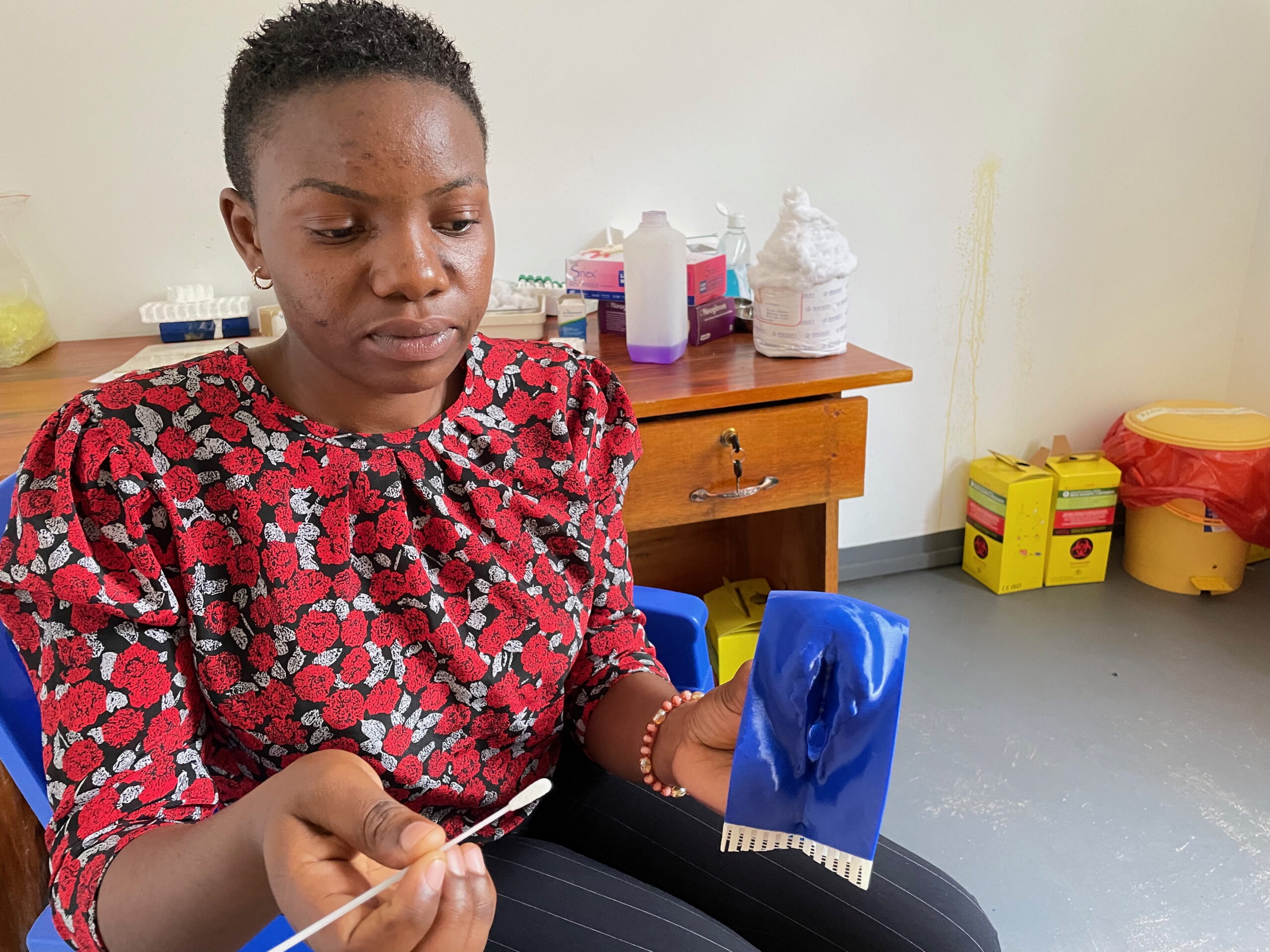
The first paper in the series, Schistosomiasis in women and adolescent girls (The Lancet Global Health), provides an overview of the chronic gynecologic impact and disabling sex-specific genital symptoms associated with schistosomiasis in women and girls. This manuscript describes female genital schistosomiasis, a condition which occurs when the parasite’s eggs are deposited in the female genital tract. This manuscript describes the social determinants of health in women with this condition and outlines sex and age-based gaps in schistosomiasis control and prevention. The authors call for multi-sectoral collaboration to address societal, health system, and economic drivers of schistosomiasis.
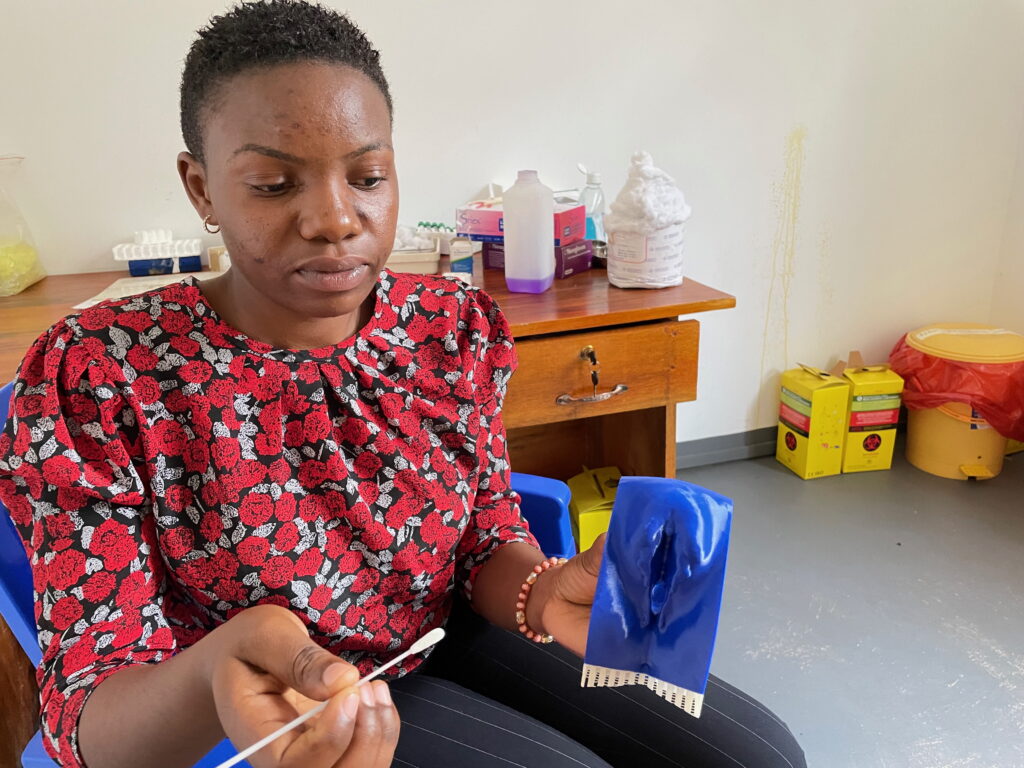
The second paper, Diagnosis and treatment of female genital schistosomiasis (The Lancet Microbe), summarizes the global literature around diagnostic techniques and treatment strategies for female genital schistosomiasis. In addition to outlining the methods used to diagnose this condition, the manuscript introduces the concept of female genital schistosomiasis subtypes and calls for uniformity in subtype reporting by diagnostic technique. The manuscript also reviews the published data on the efficacy of praziquantel as a treatment for clinical symptoms. The authors introduce a practical framework for organizing disease management in accordance with the local availability of diagnostic tools.
The third paper, Schistosomiasis in pregnancy and lactation (The Lancet Global Health), highlights issues uniquely experienced by pregnant and breastfeeding women with schistosomiasis, addressing maternal, placental, and infant responses, including adverse pregnancy outcomes. The authors also review the safety and efficacy of praziquantel use in human pregnancy and lactation. The authors call for nations to take a multifaceted approach to ensuring pregnant women in endemic areas receive praziquantel treatment.
The final paper, Female genital schistosomiasis and other cervicovaginal co-infections (The Lancet Microbe), outlines the evidence for schistosomiasis as it intersects with sexually and non-sexually transmitted genital tract infections. The authors explore the evidence for the reported associations between the parasite, HIV, female genital schistosomiasis, and human papillomavirus infection. These associations provide a framework upon which the authors advocate for opportunities for co-treatment and co-diagnostics of women and adolescent girls with schistosomiasis and other cervicovaginal co-infections. They advocate for a One Health approach to cross-disciplinary care and collaboration that considers animal and environmental health factors alongside human ones.
About the Series: This series was co-led by Amy Sturt and Jennifer Downs and authored by a geographically diverse team of authors with representation from Schistosoma endemic and non-endemic regions. Access the series here.
Media contact: Jamie Hansen, Stanford Center for Innovation in Global Health, jmhansen@stanford.edu