Published: 04/24/2026
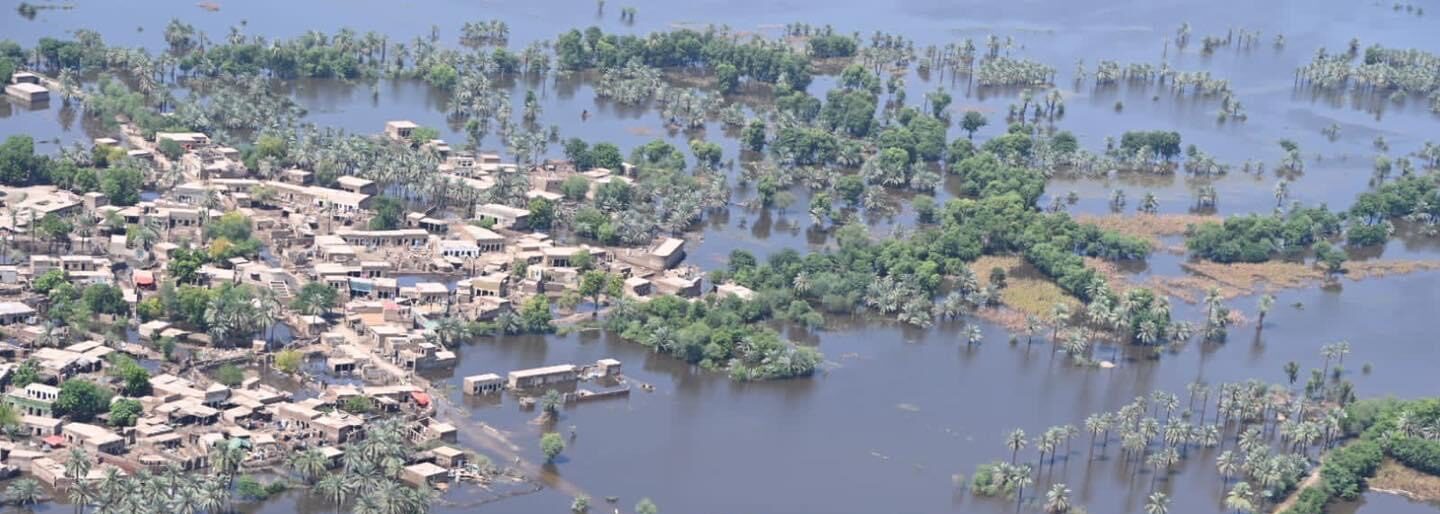
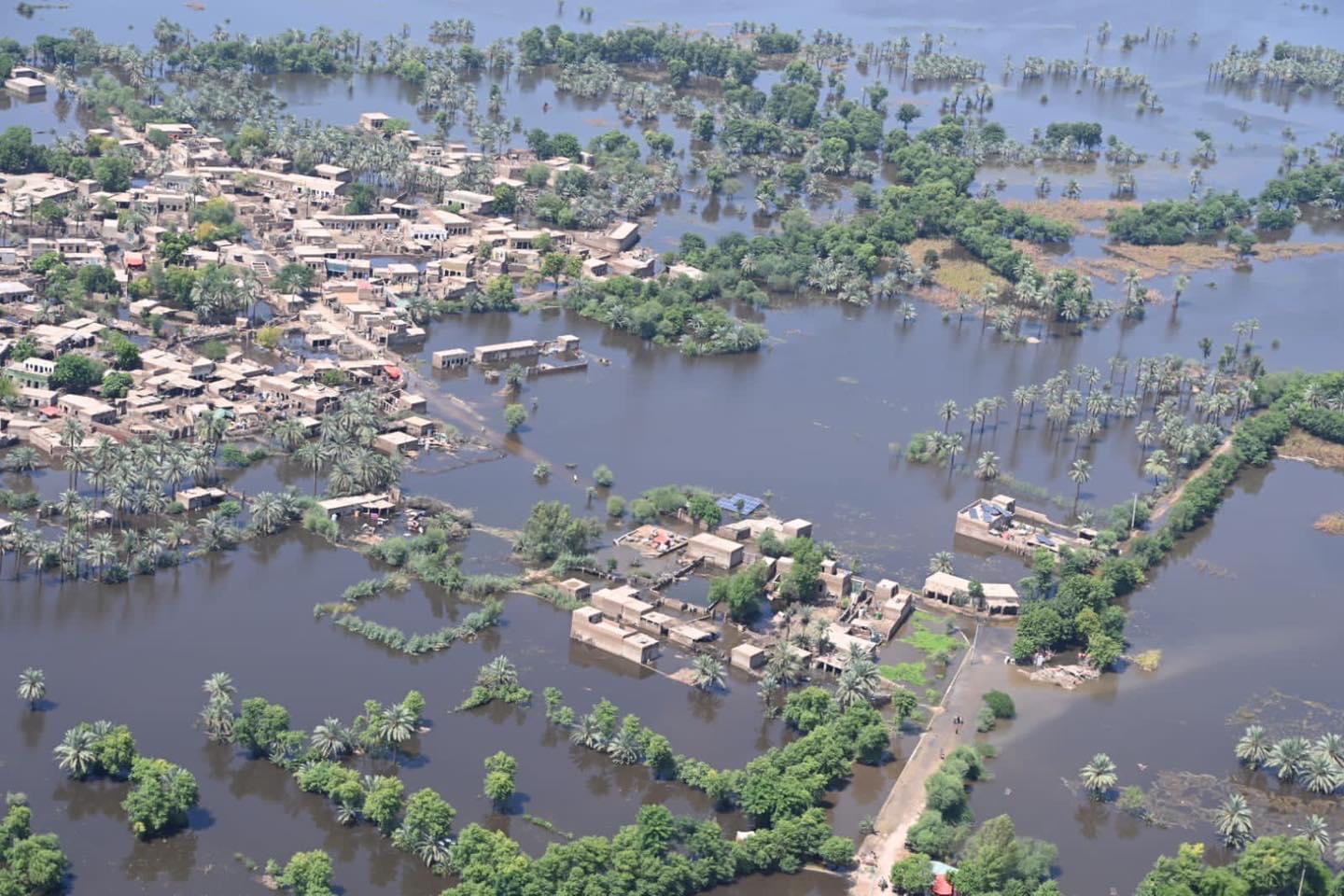
Image by Ali Hyder Junejo via Flickr
By Catherine Wu, Global Health Communications Assistant
In recognition of World Malaria Day on April 25, we’re highlighting Stanford global health researchers who are investigating drivers of, and solutions to, this disease that causes 600,000 deaths around the world each year.
At Stanford, Dr. Amna Tariq, MPH, PhD, a postdoctoral infectious disease scholar, is investigating the effects of climate change — specifically precipitation and temperature — on malaria incidence worldwide. Tariq is also an NIH-funded T32 Global Health Epidemiology fellow and works in the lab of Associate Dean of Global Health Dr. Desiree LaBeaud, MD, MS.
Driven by a desire for impact
An immigrant from Pakistan who began her career as a dentist, Tariq was drawn to infectious disease epidemiology by her desire to make a greater impact in public health than she could by seeing individual patients.
In 2015, Tariq immigrated to the U.S. to pursue a career in public health, receiving her MPH and a PhD in Public Health and Infectious Disease Epidemiology from Georgia State University.
“I just love quantitative epidemiology,” Tariq said. “I love understanding how diseases are spread, forecasting epidemics and pandemic scenarios, and investigating how disease containment measures can be strategized.”
Tariq’s particular interest in public health in low- and middle-income countries (LMICs) is rooted in her experiences seeing the inequities and contrasting approaches to care between Pakistan and the US. Specifically, she hopes to shine a light on the need to prevent climate-exacerbated infectious diseases globally.
“This is a global world, so anything that’s endemic/epidemic in the LMICs is very welcome to enter the U.S.,” Tariq said, citing SARS-CoV-2, dengue virus, and other infectious diseases that spread through international travel.
Investigating connections between malaria and climate
Tariq now investigates infectious diseases, including malaria, from her position within Stanford’s LaBeaud Lab. A study published last year explores the relationships between precipitation and temperature on malaria cases in Kenyan children living in Ukunda and Kisumu, where disease surveillance measures are incomplete and face structural challenges.
In her study, Tariq determined that malaria incidence increased in relation to precipitation and temperature. Specifically, malaria cases peaked 7-15-weeks after the rainfall. An increase in suitable breeding conditions for Anopheles mosquitoes — which lay eggs in water — led to an increase in mosquito density and abundance, resulting in continued malaria transmission. A similar positive correlation existed with temperature, where malaria cases peaked between 22 and 30 °C.
From these findings, Tariq suggested that a deeper understanding of malaria cases attributed to climate change may help policymakers in Kenya more effectively strategize malaria control and elimination measures, as well as larger public health decisions.
Building upon these findings, Tariq is conducting a similar study in Pakistan, examining the relationship between extreme temperature and flooding with malaria incidence. Tariq is collaborating with Dr. Momin Kazi, assistant professor at the Aga Khan University in Karachi, Pakistan. Tariq’s preliminary findings from the province of Sindh, where malaria is endemic, suggest a similar relationship to what she found in Kenya. Their research found that increased rainfall and optimum temperatures drove malaria cases following flooding in June 2022, which created pools of stagnant water for mosquitoes to breed in.
Turning research into real-world impact
“These correlations provide us with the climactic conditions that are most conducive to malaria expansion, and so we know what areas to target when we’re doing all of our malaria preventive work like distributing bednets and coils or targeting areas for prevention education,” Tariq said.
Tariq is also working on educating the public about protective measures such as wearing mosquito repellents and full-sleeve clothes, draining water containers, and cleaning trash containers which can hold stagnant water and become a breeding ground.
“I get happy knowing that the work that I do — relating our research findings to the stakeholders on a provincial level or on a national level — is helping decrease malaria incidence, increase the diagnostic capacity, and educate the people about the risk of malaria in the LMICs,” she said.
Learn more about the Labeaud lab’s infectious disease research here.