Global Health Residency Track
With more than 200 faculty fellows leading research projects and providing clinical care all over the world,
Stanford Global Health can offer each resident a customized program that includes one-on-one
mentoring and experience working overseas. The map below highlights the work and expertise of many of our Global Health mentors.
With more than 200 faculty fellows leading research projects and providing clinical care all over the world,
Stanford Global Health can offer each resident a customized program that includes one-on-one
mentoring and experience working overseas. The map below highlights the work and expertise of many of our Global Health mentors.
Stanford Leaders in Global Health
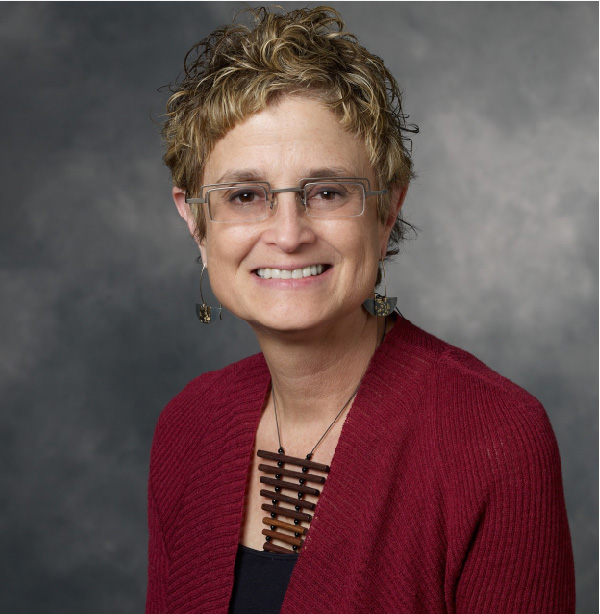
Michele Barry, MD
The Drs. Ben and A. Jess Shenson Professor of Medicine and Tropical Diseases | Senior Associate Dean of Global Health | Director of Global Health Initiatives in Medicine | Director of the Center for Innovation in Global Health
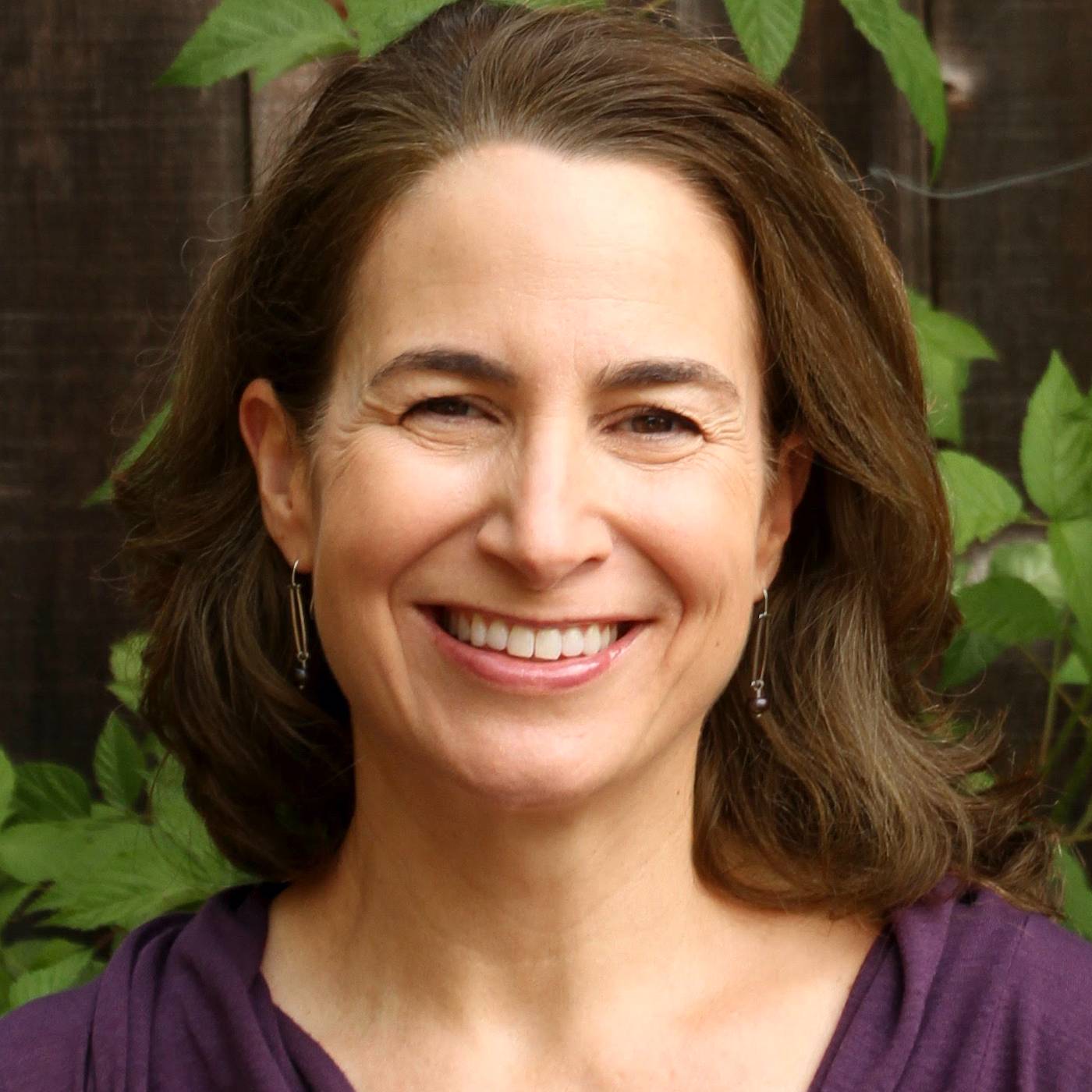
Cybele Renault, MD, DTM&H
Internal Medicine Program Lead for Global Health | Clinical Associate Professor, Medicine |Faculty Fellow, Center for Innovation in Global Health

Desiree LaBeaud, MD
Associate Dean of Global Health | Senior Fellow at the Woods Institute for the Environment | Professor of Pediatrics (Infectious Diseases) and, by courtesy, of Epidemiology and Population Health and of Environmental Social Sciences
Global Health Faculty Spotlight
Meet Some of Our Amazing Faculty Around the Globe
DESIREE LABEAUD, MD

JASON ANDREWS, MD
Tuberculosis and Epidemiology of Undifferentiated Fever

AMI S. BHATT

Clea Sarnquist, DRPH, MPH
Gender-related Issues in Global Health

MANU PRAKESH, PHD
Bioengineering and Development of Innovative Technologies


Mindie Nguyen, MD, MAS, FAASLD

Karl Lorenz, MD MShs

YVONNE A. MALDONDO, MD

Kay Daniels, MD

Eran Bendavid, MD

Benjamin Pinsky, MD, PHD

Joelle Rosser, MD

John Openshaw, MD
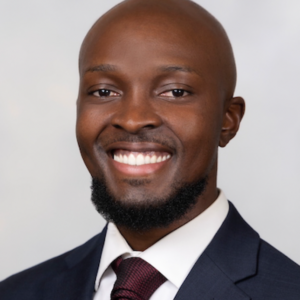
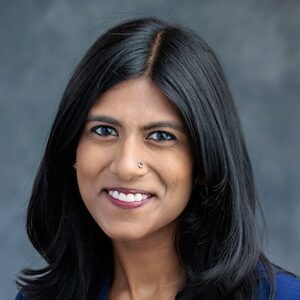
Current Global Health Track Residents
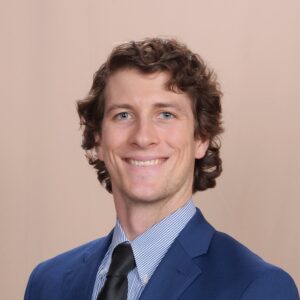
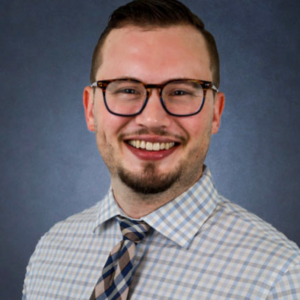
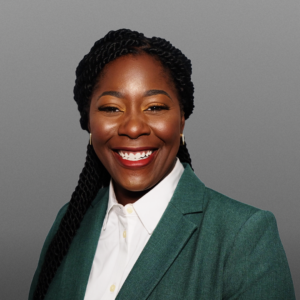
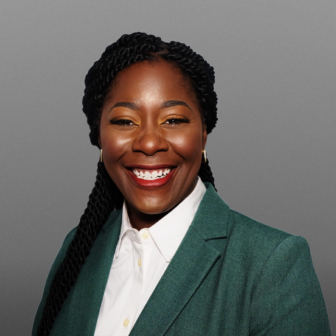
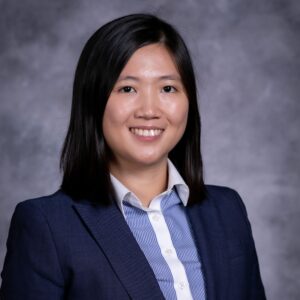
Meet our current Global Health Track residents


Global Health Track Programs & Offerings
Global Health: Beyond Diseases and International Organizations
In this intensive two-week course, directed by Dr. Cybele Renault and Dr. Ashley Styczynski, residents and fellows learn principles of public health, ethics, and clinical frameworks for providing care for patients in low-resource settings. The structure of the course is interactive, with lectures incorporating case studies, panel discussions, and hands-on sessions. The small class size (~20 participants) facilitates the opportunity for participants to interact with potential mentors across disciplines (both in and outside of Stanford) who are doing work to improve global health.
Global Health Research Methods Workshop
Dr. Stephen Luby, the Center’s Director of Research, teaches this two-day course for fellows, residents and medical students interested in developing research skills applicable to global health. Dr. Luby introduces participants to key issues in proposal development and provides a set of tools and an approach to help them develop their own research interests into tractable research questions.
Fair Oaks Continuity Clinic
Working within the San Mateo County Medical Center system, global health track residents care for uninsured and underserved patient populations through the three years of their residency. The Fair Oaks Clinic, in nearby Redwood City, offers primary care for adults, family planning, women’s health and mental health services. Conversational Spanish skills are helpful but not required.
Social Medicine Rotation
Working with the Santa Clara County Hospital System, global health residents in their second year pack medical supplies and gear into a backpack and spread out into the community to serve the homeless population during a one-month Social Medicine rotation. Residents experience the challenges associated with severe mental illness and addiction, and learn first-hand the complexity of needs that define chronic homelessness.
Hot Topics in Global Health
Global Health Track residents deliver an annual presentation to their fellow residents on current topics in global health during their second and third years. Giving these lectures is an opportunity for residents to take a deep dive into a topic of interest and then educate their colleagues about an area of global health, while simultaneously developing their presentation skills.
Quarterly Journal Clubs
Dr. Michele Barry hosts small gatherings in her home to give the Global Health Track residents the opportunity to present cutting-edge research on a topic of their choice. Residents identify a paper (or a series of papers) and invite the principal investigator to co-lead the discussion with the group. These informal dinners are multi-disciplinary and have led to longstanding collaborations among our residents and Stanford faculty.
Mentoring and funding for a Masters degree
Events
Global Health Research Convening
This one-day conference, led by Dr. Stephen Luby, brings together students and faculty working in global health, fostering discussion across a variety of disciplines. Engineers, economists, earth scientists, mathematical modelers and physician-scientists share ideas and explore new collaborations, sustainable solutions and opportunities for student engagement.
Conversations in Global Health
We invite leaders from government, non-governmental organizations, universities and foundations to speak with students, faculty and members of our community about making a career, and a life, in global health. We have featured the President of the World Bank, the Executive Director of the World Food Programme; and a Director at the Bill & Melinda Gates Foundation.
Fall Kickoff and Summer Solstice Celebrations
Every year, we invite the entire global health community to come together for a Fall Kickoff Party and a Summer Solstice Celebration. Over food and drinks, students, researchers, faculty and others discuss their latest projects and initiatives. In a relaxed social setting, collaborations are born, ideas are shaped, and life-long friendships begin.
Graduate Testimonials
Name
Nick Zehner, MD
Location
Year
2022-25
Without question, the Stanford Global Health Residency Track has been one of the most formative experiences of my life. From the two-week Global Health course in year one, to immersive overseas experiences in years two and three, to journal clubs and the Global Health Research Workshop, the program weaves global health into the very fabric of residency training in internal medicine. What sets this track apart is not only the rigor and breadth of experiences, but also the mentorship. Dr. Barry and Dr. Renault would go to the moon and back for their residents. There is truly no other program like this in the country.
Name
Savannah Karmen-Tuohy, MD
Location
Rwanda and Sri Lanka
Year
2022-2025
Name
Andy Chang, MD, MS
Location
Uganda and Rwanda
Year
2015 & 2016
Name
Laura Greisman, MD, DTM&H
Location
Nepal and Ethiopia
Year
2015 & 2016
What truly sets apart the Stanford Global Health Track is the robust mentorship under which all residents are not only encouraged to carve out a personalized career pathway within global health but also provided opportunities to develop a unique skill set to help you achieve your career goals. I entered Stanford undifferentiated in my career pathway and unsure of how to best combine my passion for clinical medicine and medical education with a career in global health.
Name
Brian Dawes, MD, PhD
Location
Uganda
Year
2022
The time spent in rotation at Kiruddu National Referral Hospital was one of the most influential, impactful, intellectually and emotionally challenging, and formative clinical experiences I have had. As I begin to reflect on this rotation, the initial themes that stand out to me are the challenges of working in a low resource setting with very little patient financial support, the differences in medical the medical training system, and the continued opportunities for improvement within the medical system. He is now an ID fellow at Stanford, continuing to build on his research foundation that he created as a Global Health Track resident.
Name
Josh Wong, MD
Location
Uganda and Colombia
Year
2019 & 2020
“The Global Health Track took my internal medicine training and pushed it beyond national borders. I worked in hospitals in Uganda and Colombia and had a great time exchanging knowledge with the house staff working in these settings. I also gained so much from the VA Underserved Health rotation and the VMC Underserved Health rotation that taught me how to deliver care to hard-to-reach patients with difficult social situations.”
Recent Graduates of Residents Track
Nick Zehner, MD
Hospitalist at Parkview Regional Medical Center in Indiana
Nick studied Philosophy at Anderson University and joined the Peace Corps in the Dominican Republic. Following his Peace Corps stint, he worked as a regional leader for the Peace Corps before matriculating at Stanford School of Medicine. Nick pursued a Master’s in Epidemiology and Clinical Research, and he has used his skills in his research focusing on studying the natural history of malaria in the first year of life in Uganda, and studying malnutrition prevention / evaluating training of community health providers in in the Democratic Republic of the Congo. Nick also led an investigation of a COVID-19 outbreak at a Bay Area biotech company, finding that most of the infections were in the assembly workers, thereby highlighting healthcare disparities in our local population. He recently completed the Gorgas Course in Tropical Medicine in Lima Peru and is currently practicing as a Hospitalist at a major referral hospital in Northern Indiana at Parkview Regional Medical Center.
Savannah Karmen-Tuohy, MD
Hospitalist at Stanford University
Savannah spent her undergraduate years studying Neuroscience at Johns Hopkins University before matriculating at NYU Grossman School of Medicine. Before medical school, Savannah spent one year in Malawi on a Fulbright grant investigating the support needs of caregivers of children with behavioral sequelae following a diagnosis of cerebral malaria. While at NYU for medical school, Savannah studied the impact of COVID-19 on domestic underserved populations at Bellevue Hospital, as well as the approach to recognition and treatment of long-COVID in Botswana. While at Stanford for residency, Savannah’s global health interests shifted to focus on undergraduate medical education, and she worked in both Kigali, Rwanda and Kandy, Sri Lanka teaching medical students on their clinical rotations. She also partnered with the Stanford-based ENTRUST team to pilot the use of clinical case simulations to augment the Internal Medicine clerkship curriculum at UGHE in Butaro, Rwanda. She currently contributes to the development of a virtual, case-based curriculum for medical students at Negele Arsi General Hospital and Medical College in rural Ethiopia, in collaboration with Dr. Renault and her global health track co-residents. Savannah will be staying at Stanford as a hospitalist after graduation, where she plans to continue her work in global health medical education and curriculum design.
Natasha Mehta, MD, MS
Jassi Pannu, MD
Assistant Professor, Johns Hopkins Center for Health Security
Originally from Canada, Jassi spent her undergraduate years at McGill University and then came to the United States to pursue medical school at Stanford. As a medical student, Jassi investigated international pandemic preparedness policy and medical countermeasures at Oxford University. Jassi also has an interest in bioinformatics, and during a sabbatical from medical school, she worked at Google Health developing machine learning-powered diagnostics. Her global health interests include biosecurity and pandemic preparedness policy, which she further developed between her second and third years of residency, when she spent 6 months as a visiting scholar at the Johns Hopkins Center for Health Security. For her residency research project, Jassi worked in Uganda during both her PGY-2 and PGY-3 years, and while there, she validated an AI-enabled, low-cost malaria microscopy diagnostic under the mentorship of Dr. Manu Prakash. She is now an assistant professor at Johns Hopkins Center for Health Security.
Brian Dawes, MD, PhD
Andrew Young Chang, MD, MS, PHD
Cardiology Faculty, Yale School of Medicine
During medical school, Dr. Chang co-founded a social venture to develop a low-cost ventilatory support device for neonatal respiratory distress in resource-limited countries. During residency, he became interested in cardiology and subsequently conducted epidemiologic and qualitative research in women of reproductive age living with rheumatic heart disease in Uganda. After a Chief Resident year, he continued his training at Stanford as a Cardiology fellow, and earned a Master’s Degree and ultimately his Ph.D. in Epidemiology and Clinical Research. Dr. Chang’s interests include outcomes research, implementation science, and health systems modeling to combat the rise of cardiovascular disease in low- and middle-income countries. He joined the cardiology faculty at Yale School of Medicine, where he continues to study cardiovascular disease in low- and middle-income settings.
Joshua Wong, MD
Medical Officer, Centers for Disease Control and Prevention, Dengue Branch, Puerto Rico
Before starting his medical career, Dr. Wong worked with the CDC for 2 years in Nairobi, Kenya. As a medical student, he worked in South Africa, and during his residency, he provided clinical service and teaching in Cali, Colombia and Kampala, Uganda. Josh’s past experience with the CDC evolved into a passion for working in global health on a systems level. Following residency, he began his career as an Epidemiology Intelligence Officer for the CDC, which then evolved into his current permanent position as Medical Officer within the CDC Dengue Branch in Puerto Rico.
Yoanna Pumpalova, MD
Gastrointestinal Oncologist 1 Columbia University
Yoanna’s interest in global health began when she worked in a clinic whose mission is to provide affordable and reliable cervical cancer screening to indigenous women in rural Peru. During her global health residency, she further defined her interest in global oncology, and she worked in Uganda during both her second and third years, studying prognostic awareness amongst women with metastatic breast cancer undergoing palliative chemotherapy. She completed her Hematology-Oncology fellowship at Columbia University, where she is now on the Oncology faculty. Her current research focuses on the diagnosis, treatment, and prevention of colorectal cancer in low- and middle-income countries, namely South Africa and the Dominican Republic.
Get In Touch
Interested to know more?