Published: 10/20/2026
Stanford infectious disease physicians help local communities prepare for a growing disease threat
Jamie Hansen, Global Health Communications Manager
Dengue fever, a disease unfamiliar to many Americans, is making headlines as Florida confronts the largest outbreak of the mosquito-borne viral illness the United States has seen in decades.
For globally minded infectious disease physicians like Dr. Desiree LaBeaud, MD, MS, dengue’s increased presence in the US is no surprise. For her, the recent outbreak offers a timely reminder of the importance of educating and supporting vulnerable U.S. communities to protect themselves against the evolving risk of mosquito-borne disease, including adapting best practices learned from work overseas.
We live on one tiny little globe, and what is impacting people elsewhere is going to impact us.
Desiree LaBeaud, MD, MS, professor of pediatrics (Infectious Diseaeses)
“We live on one tiny little globe, and what is impacting people elsewhere is going to impact us,” said LaBeaud, Stanford’s associate dean of global health at the Stanford Center for Innovation in Global Health and professor of pediatrics (infectious diseases) who has researched dengue in Kenya, Brazil, Pakistan and other locations for more than two decades. Her research has examined key risk factors for dengue and helped communities develop strategies that reduce their risk, such as eliminating mosquito breeding grounds like trash and standing water.
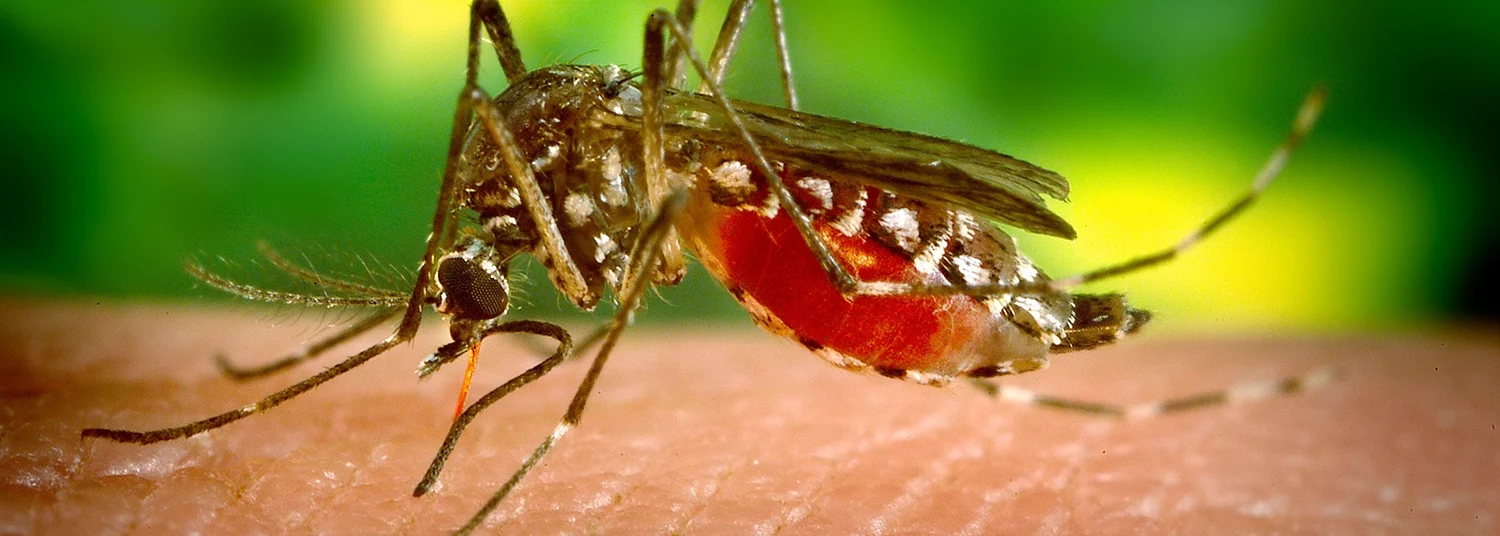
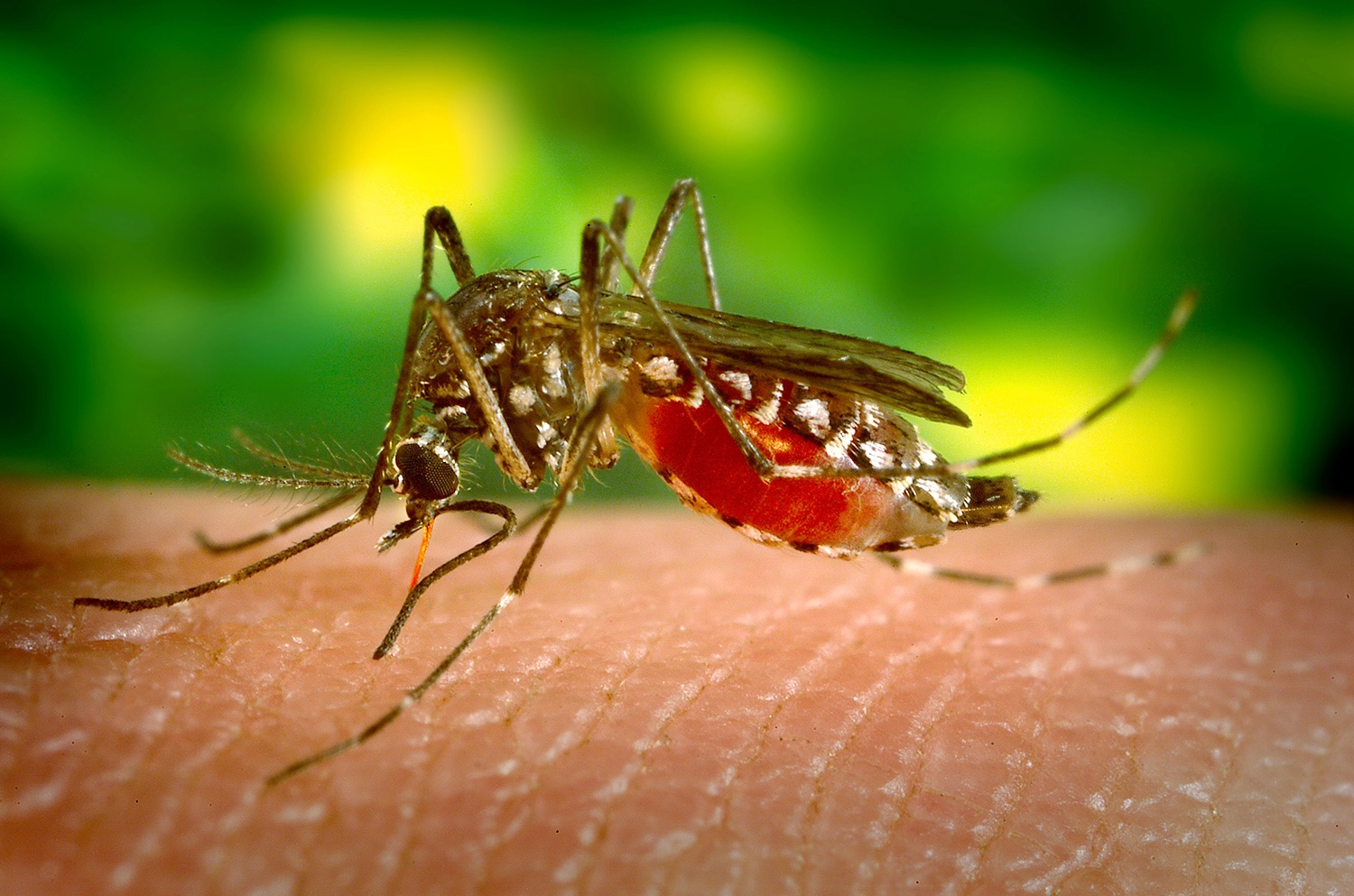
Through this work, she is very familiar with the small black and white mosquito responsible for spreading dengue to people, Aedes aegypti, which is not native to the U.S.
The heat-loving mosquito’s range and the diseases it carries are spreading due to warming temperatures and changing rainfall patterns. This is a concern because dengue can cause a severe, life-threatening illness in about five percent of people who show symptoms after becoming infected.
Cases of dengue in the U.S. have been on the rise in recent years, though most of these cases have been in travelers who acquired the disease overseas. Florida’s outbreak is particularly concerning because many of the cases are locally acquired, LaBeaud said.
This means that people who never traveled abroad are being infected by mosquitoes in their backyards. It also signals that dengue virus is now circulating in the local mosquito population, not just arriving with travelers. The same is becoming true in Southern California, where seven locally acquired dengue cases were reported in Imperial and Los Angeles counties in 2025.
Closer to Stanford, invasive Aedes aegypti mosquitoes were detected this summer in the North Fair Oaks and Friendly Acres communities of San Mateo County, California—the first in more than a decade. Just this month, Aedes aegypti were found in San Carlos, a location that is further north in San Mateo County. While no dengue has been found in these mosquitoes so far, “it’s only a matter of time before we have locally acquired cases here in the Bay Area,” said LaBeaud, who is also the county representative at large board trustee for the San Mateo County Mosquito and Vector Control District.
That’s why she and Sheila Krishnan, DO, MPH, a Stanford pediatric infectious diseases fellow, are partnering with the nonprofit Climate Resilient Communities and its Climate Ready North Fair Oaks program to help vulnerable communities in the South Bay prepare and protect themselves against dengue and other mosquito-borne diseases. Supported by a grant from the Stanford Office of Community Engagement, the team ran a three-workshop series this summer for roughly 110 families in North Fair Oaks, Redwood City.
“We can do things now to build awareness and protection,” LaBeaud said. “Instead of always being reactive to outbreaks, we want to get proactive.”
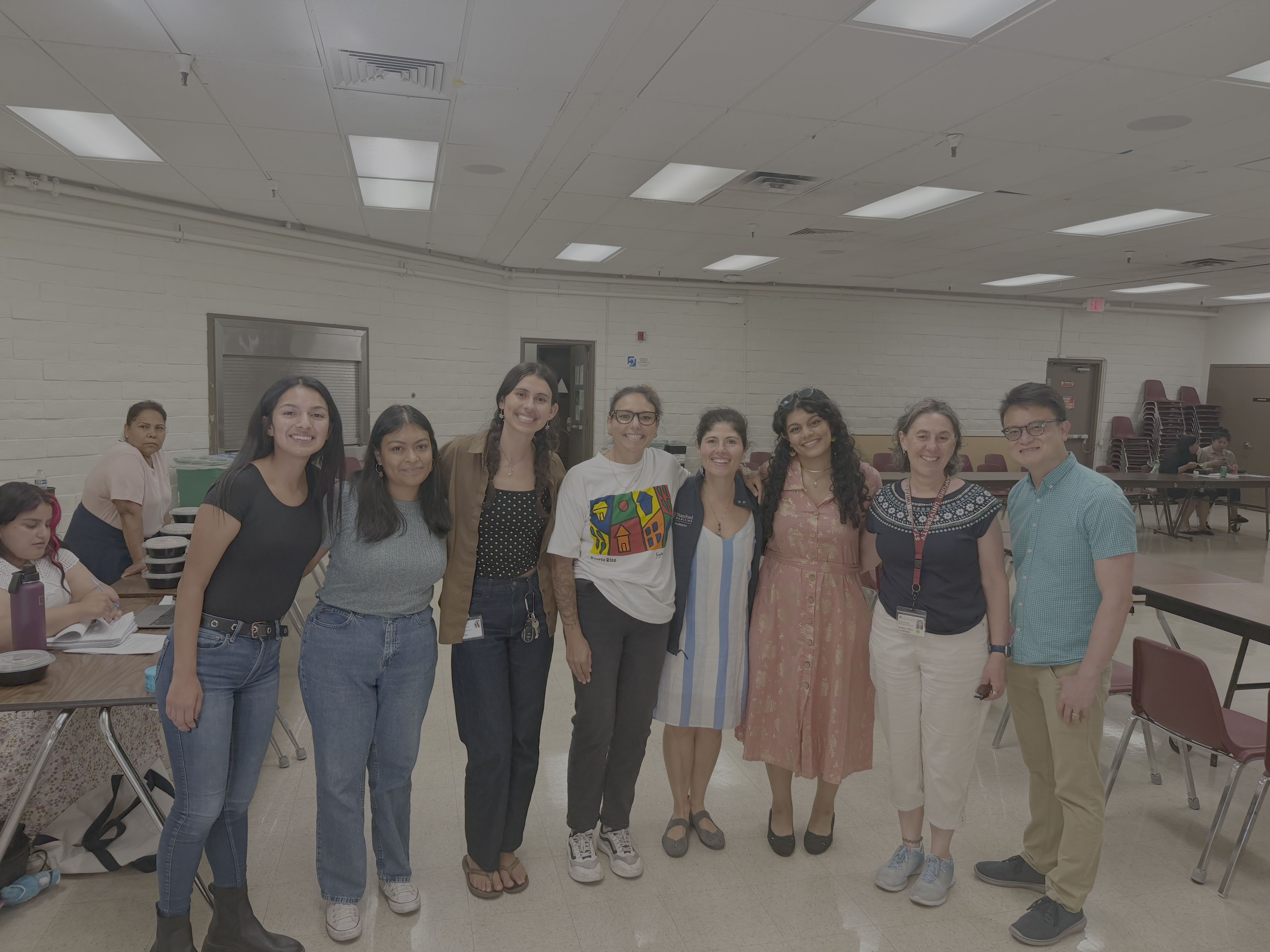
Using Our Voice, a community science tool developed by Stanford’s Dr. Abby King, Krishnan and LaBeaud’s team taught residents to survey their neighborhoods to find mosquito breeding sites. Then residents gathered for a focus group to share their perspectives and brainstorm solutions. Participants flagged standing water and illegal trash dumping as top concerns, as both create ideal breeding grounds for the mosquitoes, and discussed ways the city can help reduce litter and improve trash collection.
“As one participant pointed out, sustainability is best for everyone in the long run; recycling reduces litter, which in turn can reduce mosquito breeding sites,” Krishnan recalled. She said she was inspired to see participants’ high level of excitement, engagement, and curiosity.
The Bay Area is in the first phase of what happened in Florida now with Aedes mosquitoes establishing colonies. By empowering communities to act, we can mitigate the disease outbreaks that can follow.
Sheila Krishnan, DO, MPH, Stanford pediatric infectious diseases fellow
“Our initial survey showed that a majority of participants didn’t previously know much about mosquitoes, but rated themselves with favorable attitudes towards getting rid of mosquitoes and felt that they had the agency to make change in their community,” Krishnan said.
The team is now analyzing survey, community science, and focus group data and hopes to expand the project to more Bay Area neighborhoods.
Krishnan hopes the efforts can help protect Bay Area communities from the kind of outbreak Florida is experiencing. In Florida, she points out, the current outbreak started with invasive mosquitoes finding places to breed. Then, dengue arrived and began circulating among them. Now, infected mosquitoes are spreading the virus locally.
“The Bay Area is in the first phase of what happened in Florida now with Aedes mosquitoes establishing colonies,” she said. “By empowering communities to act, we can mitigate the disease outbreaks that can follow.”