Published: 08/14/2026
By Catherine Wu, Global Health Communications Assistant
In a new publication in Science Advances, Dr. Joelle Rosser, MD, assistant professor of medicine (infectious diseases) investigates how drought is linked to yellow fever virus outbreaks in Brazil. These findings on the connection between drought and outbreaks bring broader implications for the role of global climate change in driving disease transmission.
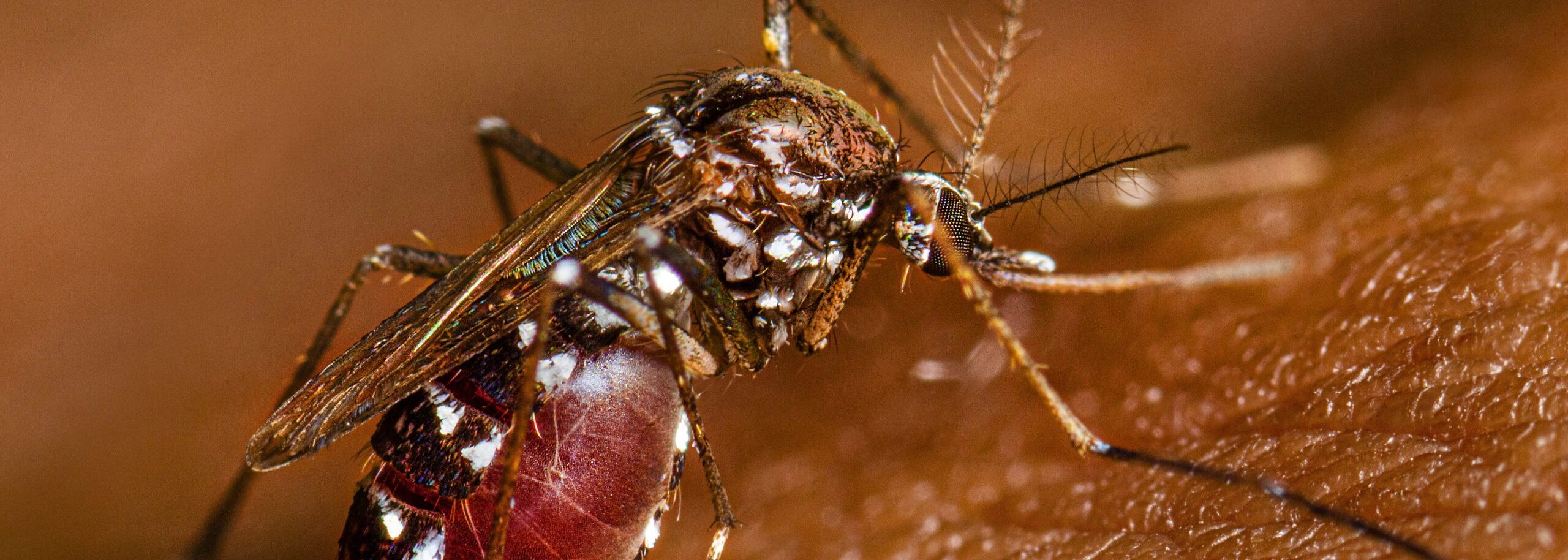
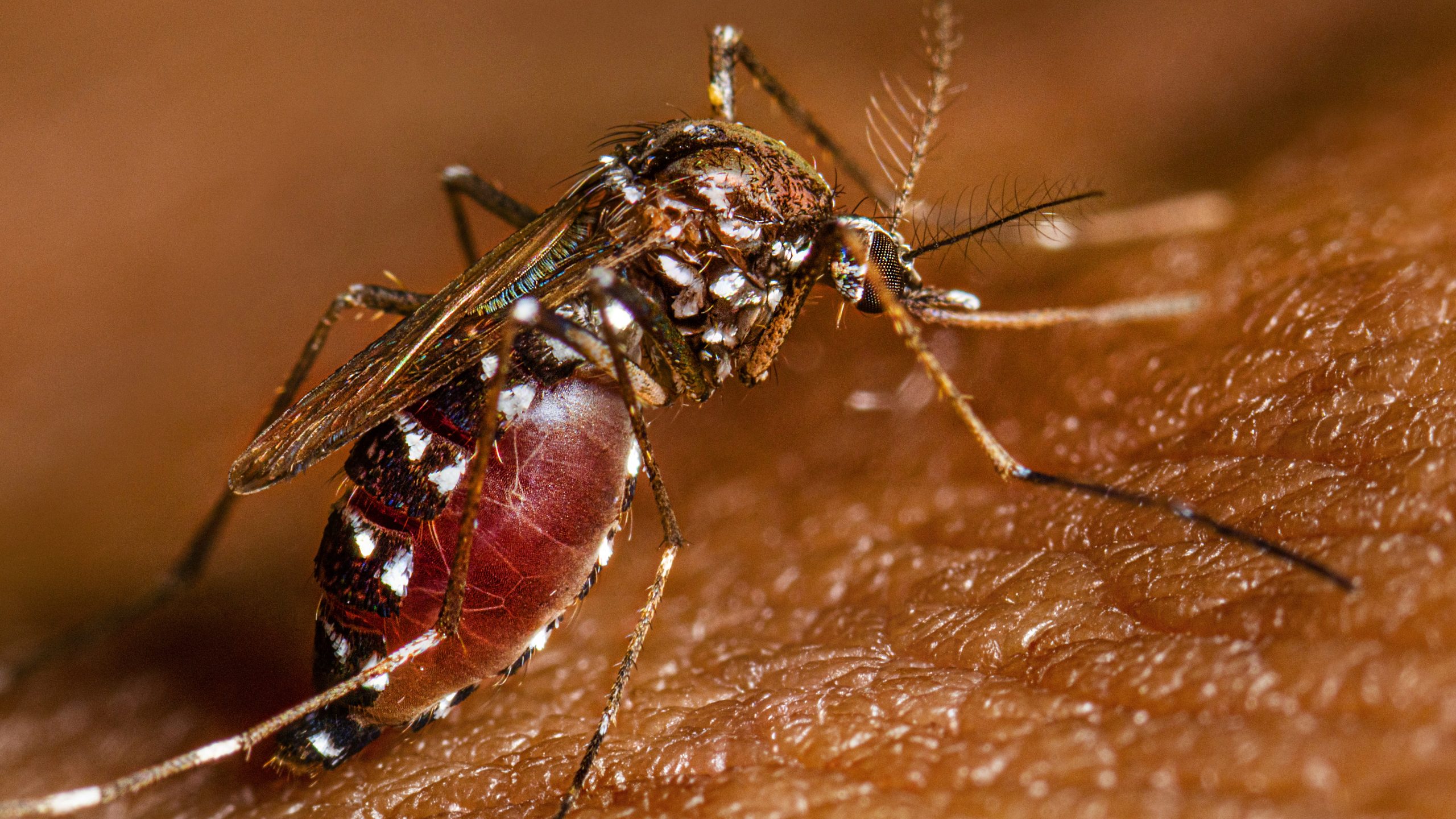
Collaborating with researchers Jamie M. Caldwell, Bryan Grenfell, and Gabriel Vecchi from Princeton University, Rosser expanded on her previous research on the mechanism by which drought could amplify yellow fever transmission. For this study, the group focused on the epidemic in Brazil during the rainy seasons of a period of extreme drought in 2017 and 2018. These years were characterized by the region’s first yellow fever outbreak in nearly 100 years. The group hypothesized that drought conditions drove the forest mosquitoes and primates into more densely clustered groups and towards the city in search of water, and the mosquitoes bit more frequently to avoid desiccation, thereby amplifying yellow fever virus transmission. When the rainy season arrived and the mosquitoes proliferated, conditions were then ripe for an unprecedented yellow fever virus outbreak in urban areas.
To test their hypothesis, the group used a model to investigate how seasonally-driven behaviors of the forest mosquitoes that spread yellow fever and the primates (howler monkeys, marmosets, and humans) aligned with outbreak timing and incidence. They simulated disease transmission using different models of seasonal drivers, including mosquito population, mosquito biting rates, and forest species’ movement. From these models, the researchers concluded that seasonally-driven mosquito feeding patterns, along with the migration of forest animals into cities due to the drought, directly contributed to the 2017-18 outbreak of yellow fever virus in Brazil.
The group also found that a combination of interventions including mosquito control, conservation measures, and yellow fever vaccination was crucial to ending the outbreak. Among these intervention efforts, vaccination is particularly important in epidemic prevention, especially in regions like southeastern Brazil, where the population was under-vaccinated at the start of the epidemic. Looking forward, improving vaccination programs to avert potential bottlenecks in vaccine shortages, alongside programs for enhanced vector control and drought resilience can help avert or mitigate future outbreaks, the authors note.
This research brings timely findings amidst forecasts of increased drought conditions in Brazil due to climate change, along with warnings that the current El Niño will bring increasing drought risk in Northeastern Brazil. In addition to their agricultural impacts, such droughts may contribute to increased infectious disease risk, as Rosser’s research shows.
Rosser is a faculty fellow at the Stanford Center for Innovation in Global Health and a faculty affiliate of the Stanford Woods Institute for the Environment’s Center for Human and Planetary Health (HPH),
Learn more about Rosser’s research here.