
Published: 03/12/2026
By Catherine Wu, Global Health Communications Assistant
For Dr. Yewande Babalola, two patients and one conference poster presentation in Nigeria were enough to spark the interest of the ophthalmologist and vitreoretinal surgeon in improving care and creating awareness for ocular tuberculosis (TB).
Babalola, who has long been interested in infectious diseases, diagnosed her first ocular TB patients while carrying out a research project on ocular manifestations of HIV/AIDS, a prerequisite to qualifying and practicing as an ophthalmologist in Nigeria. Working in the uveitis clinic at the LV Prasad Eye Institute in Bhubaneshwar, India, during her vitreoretinal fellowship, Babalola realized that a significant proportion of patients had ocular TB. Ocular TB is an eye infection spread from TB in the lungs, causing symptoms such as blurred vision, eye pain, floaters, redness, and even blindness.
“As an ophthalmologist, I had always known that TB could affect the eye and lead to visual impairment and loss. However, it was thought to be rare,” Babalola said. She then began to wonder how many of her patients in Nigeria may be suffering from undetected ocular TB.
An under-recognized problem
Two experiences piqued her interest in investigating ocular TB further and educating health care workers about it.
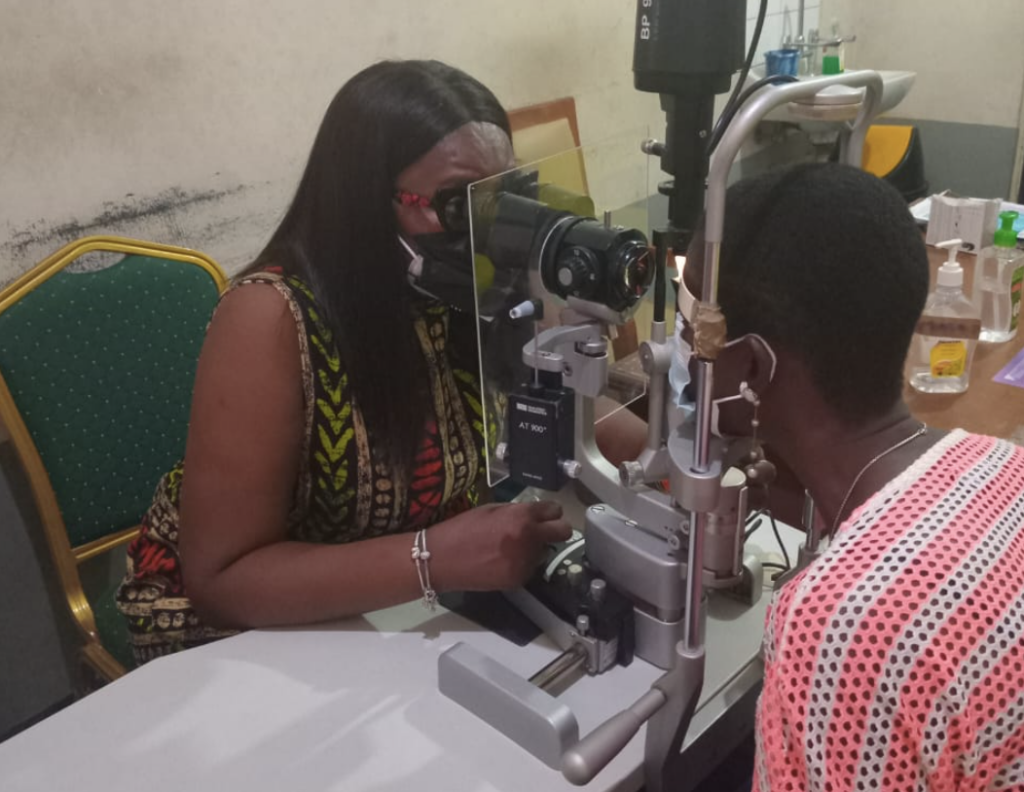
The first case was in 2022: a 43-year-old woman who had poor vision in one eye. When performing a dilation, Babalola noticed scars at the back of the eye that reminded her of what she saw in patients during her fellowship training in India.
“So I asked her, ‘Have you ever had pulmonary TB?’ And she looked at me like I was a magician,” Babalola said. Her patient had TB five years prior.
“Everything just clicked. It took me back to my days of fellowship,” Babalola described. “And I became interested. Maybe we actually have more cases of ocular TB that we’re not picking up.”
When Babalola presented this case report at a Nigerian medical conference, many medical personnel stopped by her poster, surprised by the existence of ocular TB.
“So I thought it would be interesting to actually create awareness amongst physicians and other health workers and take a look at our population and see how many patients are affected, and how many we are missing,” she recalled.
So I thought it would be interesting to actually create awareness amongst physicians and other health workers and take a look at our population and see how many patients are affected, and how many we are missing.
YEWANDA BABALOLA, SASH SCHOLAR
In 2023, another patient further cemented Babalola’s desire to investigate ocular TB. He arrived with the diagnosis of optic atrophy and epiretinal membrane, a condition where scar tissue on the surface of the retina caused blurred vision. When Babalola examined closely, she saw yellow-colored lesions, which can indicate tuberculosis in the back of his eye.
“Not even thinking, I just said, ‘Well, if I didn’t know better, I would think it was TB,’” she recalled.
Babalola asked her patient if he had ever been treated for pulmonary TB. Indeed, other members of his family had, while he tested negative. But after sending her patient for further tests, Babalola confirmed her TB diagnosis.
“Those two cases would have otherwise been missed,” she said. “I realized we may have ocular TB much more than we actually know.”
The only prior ocular TB study in Nigeria, published nearly two decades earlier, had revealed a 9.8% prevalence in Benin City, located 180 miles from Ibadan where Babalola works. Hence, Babalola recognized a gap and decided to investigate what the numbers looked like today.
Investigating ocular TB through the SASH program
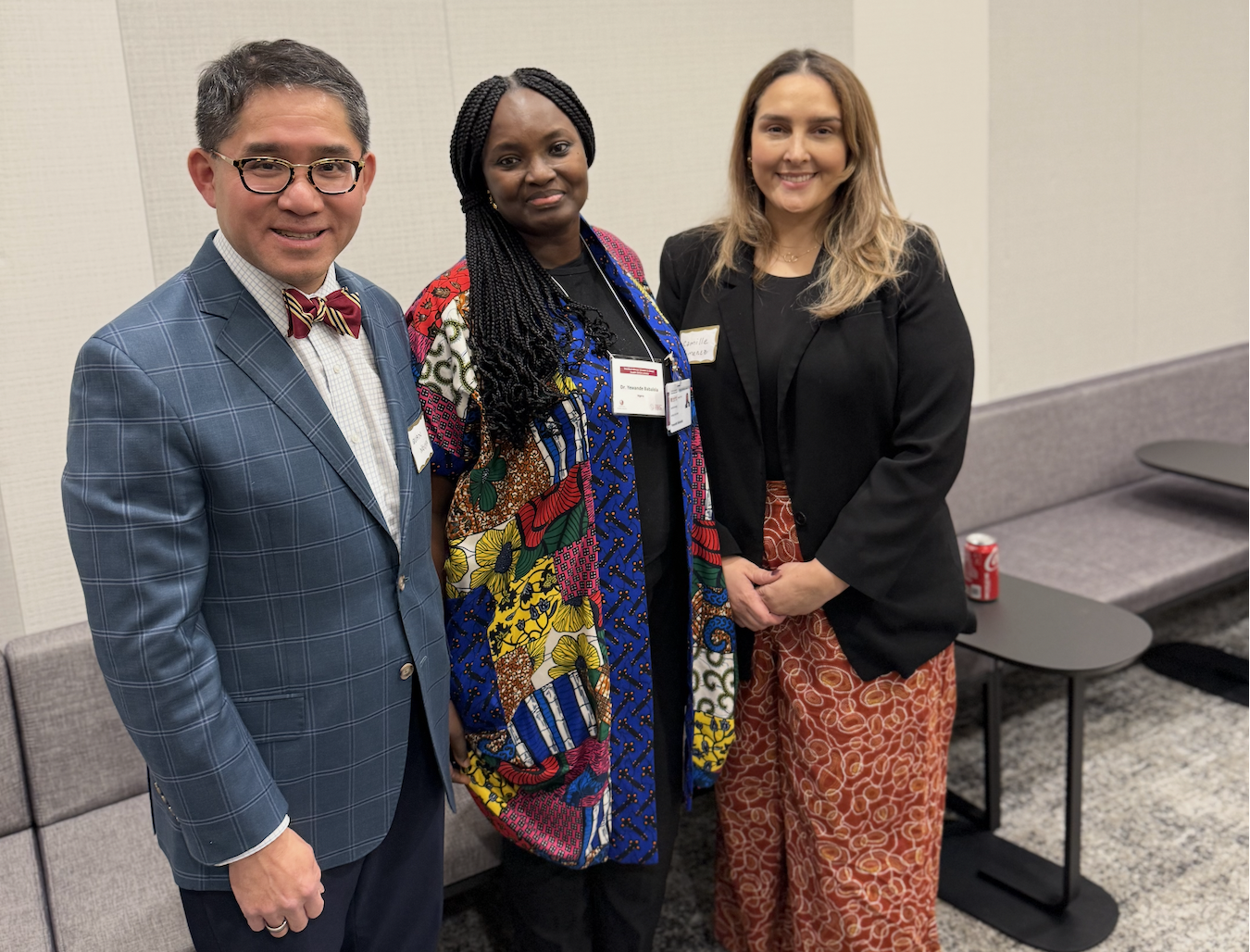
In 2025, Babalola participated in the first cohort of the Stanford African Scholars in Global Health (SASH) program to expand her toolkit for investigating ocular TB. During January and February 2025, she developed a quality improvement project: “Preventing debilitating blindness by screening for ocular manifestations of TB and the ocular side effects of anti-TB therapy in patients with pulmonary and extrapulmonary TB.” She did so while working under the mentorship of Stanford Professor of Ophthalmology Dr. Quan Dong Nguyen, MD, MSc, a world-renowned expert in ocular inflammation, uveitis, and ocular TB.
While at the Byers Eye Institute, Babalola shadowed Nguyen, learning about the investigation, diagnosis, and management of patients with all forms of uveitis, including ocular TB.
“Being advised in a different climate and seeing how patients were managed changed my orientation to the way I treat my patients with uveitis and especially ocular TB back home in Nigeria,” Babalola said. “We were able to exchange ideas, different perspectives, and I strongly believe myself and my patients to be much better for it.”
Being advised in a different climate and seeing how patients were managed changed my orientation to the way I treat my patients with uveitis and especially ocular TB back home in Nigeria. We were able to exchange ideas, different perspectives, and I strongly believe myself and my patients to be much better for it.
YEWANDA BABALOLA, SASH SCHOLAR
Increasing awareness of ocular TB at Stanford
Babalola also shared her experiences and expertise in treating ocular TB with Stanford faculty, even being asked to consult on a few cases — an example of the bidirectional learning opportunities that SASH fosters.
“Speaking with Dr. Babalola was so enlightening. I had no idea how common ocular TB was in both Africa and globally,” said Dr. Matthew Strehlow, MD, a Stanford professor of emergency medicine, who interviewed Dr. Babalola for the SASH program. “I am definitely going to add this as a component to our many joint healthcare worker training programs across the globe.”
Eyes on TB: Prevent Blindness
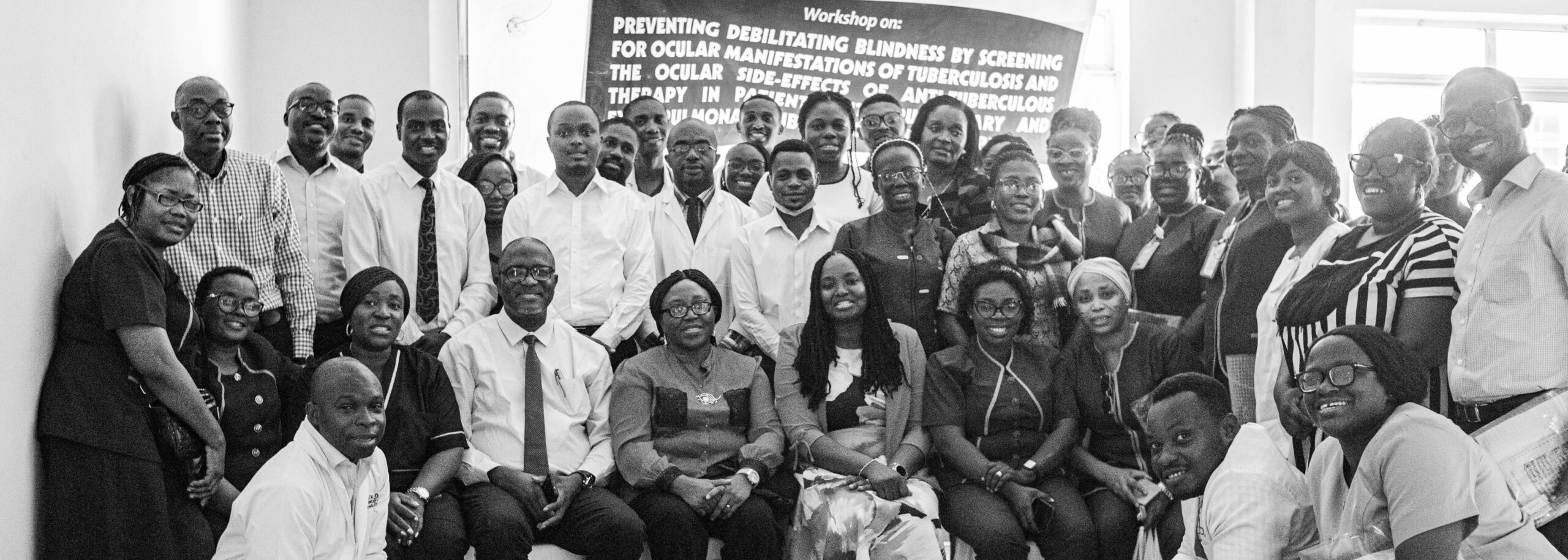
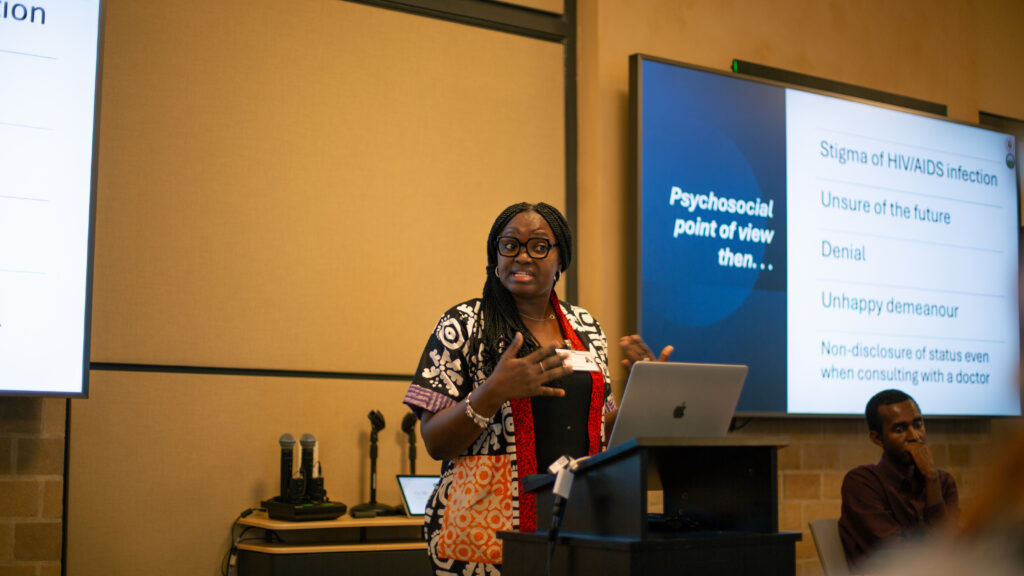
Now back in Nigeria, Babalola is working on her project in two phases, in collaboration with a pulmonologist and with adult and pediatric infectious disease specialists, respectively. First, she and her team are creating awareness for ocular TB by designing training workshops for doctors, nurses, and pharmacists — anyone in contact with patients with TB. So far, she has led three trainings with nearly 138 healthcare personnel, many of whom did not realize the existence of ocular TB before participating in the SASH quality improvement project-based workshops.
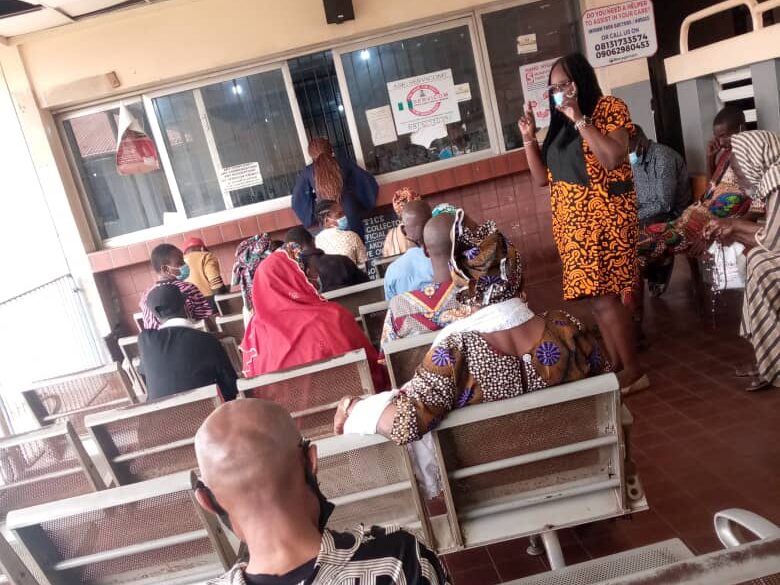
The second phase of her project involves quantifying ocular TB through giving health talks, screening, and soliciting individual perspectives from patients with TB. So far, none of the patients they have interacted with were aware that TB can affect the eye and lead to visual impairment.
“The essence is that many health workers do not know much about ocular TB. We are trying to create awareness for physicians and all other health workers interacting with patients being managed for both pulmonary and extrapulmonary TB. This way, they can watch out for the ocular symptoms and refer patients promptly — thereby preventing visual impairment and blindness from ocular TB,” Babalola said.
We are trying to create awareness for physicians and all other health workers interacting with patients being managed for both pulmonary and extrapulmonary TB. This way, they can watch out for the ocular symptoms and refer patients promptly — thereby preventing visual impairment and blindness from ocular TB.
YEWANDA BABALOLA, SASH SCHOLAR
Such awareness, she said, can help prevent complications such as blindness for many patients around the world. “Though ocular TB may be rare, it does occur,” she said.
In this effort, Babalola is guided by the slogan for her SASH quality improvement project: “Eyes on TB: Prevent Blindness.”