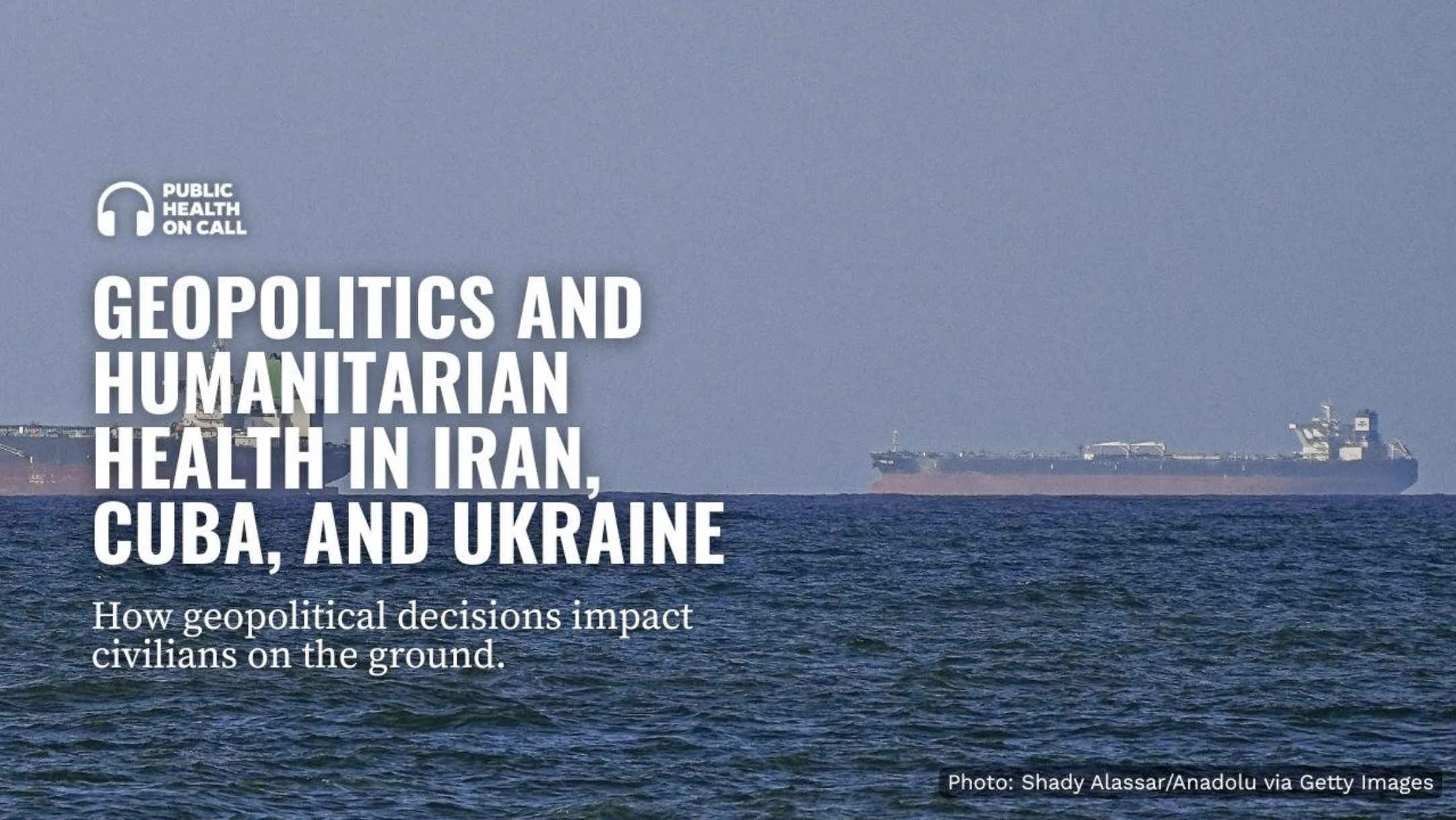
The world faces many geopolitical threats to human health and wellbeing, including war, famine, and a decline in global governance and commitments to development. CIGH supports multidisciplinary research and international initiatives aimed at informing a more humane world – one where laws of war are respected, where sanctions are used to protect international norms and local populations, and global health and the well-being of local populations are central to international decision-making.
About this Series: The Lancet Series on Foreign Aid and Global Health is a multi-disciplinary international effort to reimagine the future of foreign aid. Regardless of political perspective, the mid-2020s represent a turning point for all forms of foreign aid. This series examines all facets of foreign aid, spanning development aid, humanitarian assistance, and military aid.
The Lancet Series on Foreign Aid and Global Health builds upon the work of The Lancet Commission on 21st-Century Global Health Threats, led by Dr. Natalia Kanem and Dr. Christopher Murray, and the Lancet Commission on Health, Conflict, and Forced Displacement, led by Dr. Paul Spiegel.
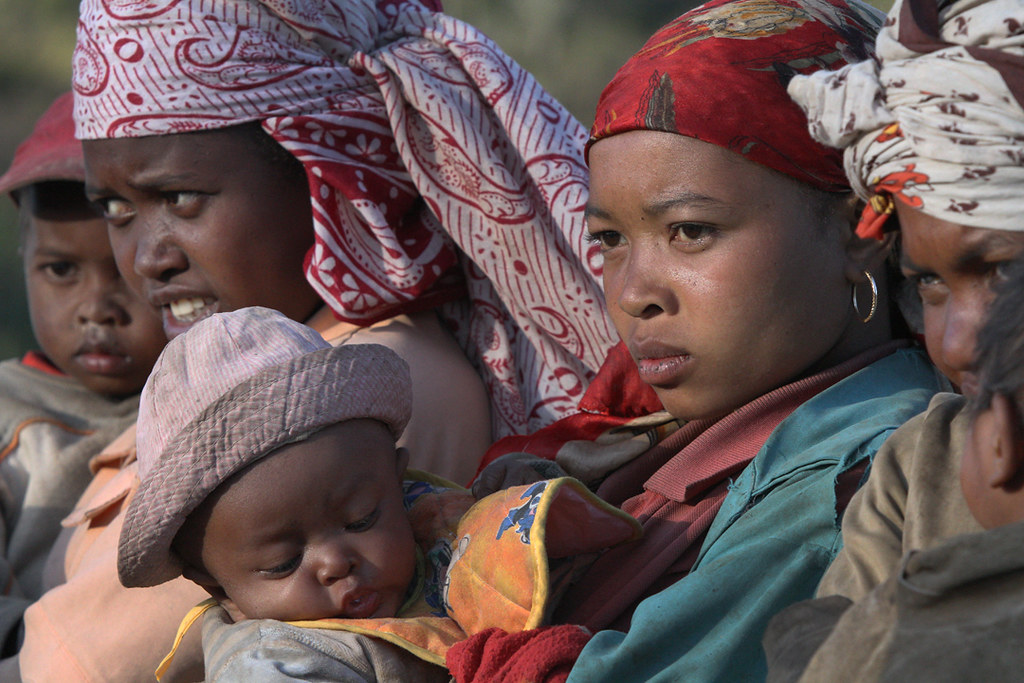
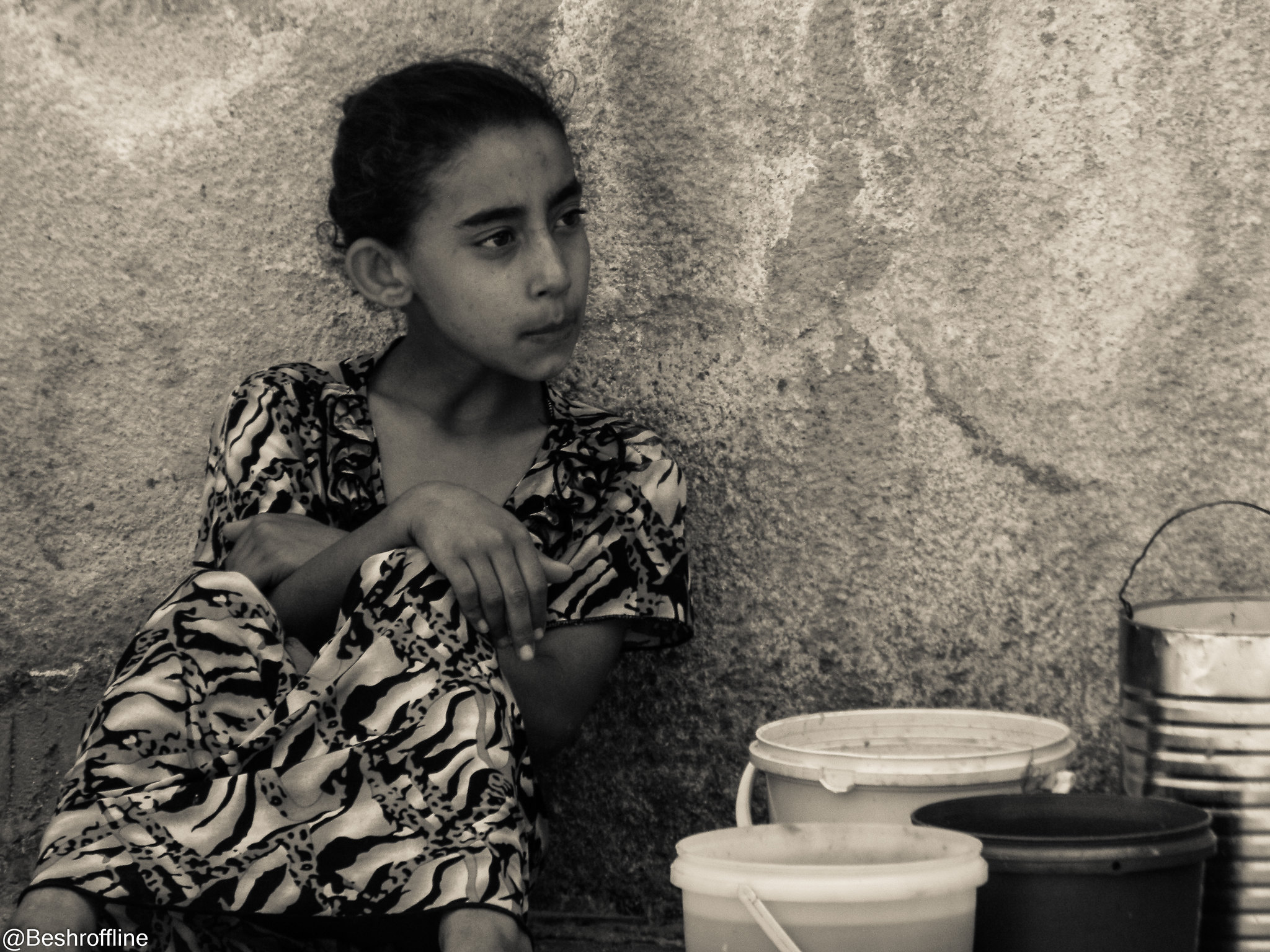
In a study published in The Lancet Global Health in 2025, a Stanford-led team of researchers reviewed three decades of sanctions on foreign aid and estimated that aid sanctions to low-resource countries lasting five years or more can negate 64% of progress against maternal mortality, 29% of the progress for infants, and 26% for children under 5. The study is the first of its kind to assess the global impact of aid sanctions on human health – particularly maternal and child health. Read more in this Stanford Report article.
This August 2025 comment in Lancet Global Health, by Stanford affiliates Dr. Ruth Gibson and Dr. Gary Darmstadt, reviews four decades of academic research in sanctions and humanitarian outcomes.

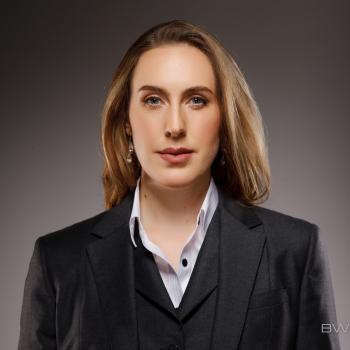
Ruth Gibson, PhD
Visiting Scholar at the Stanford Center for Innovation in Global Health

Dr. Ruth Gibson’s research focuses on geopolitics and global health. Specifically, she focuses on geopolitically contentious issues, such as war, the impact of war on children, and sanctions as instruments of geopolitical coercion.
Dr. Gibson and Prof. Gary Darmstadt are co-chairs on the Lancet Series on Foreign Aid and Global Health. This Series is a multi-disciplinary international effort, led by Stanford University, to reimagine the future of foreign aid, including development, military, humanitarian, and economic assistance. Drs. Gibson and Darmstadt have begun engaging experts globally in foreign assistance, humanitarian aid, foreign aid policy, military aid, development, and global health. They are currently seeking leadership from low and middle-income countries with deep expertise in one domain of foreign assistance. To learn more about this series and how to become involved in this global initiative, please learn more in the “current projects” section of this page.
She is a member of the International Working Group on Russian Sanctions, based at the Freeman Spogli Institute at Stanford University, working with an international team to design sanctions to bring about an end to Russia’s war against Ukraine. Her role in this group is to focus on how the war impacts Ukrainian children and how sanctions can be used to punish war crimes and end the war.
Dr. Gibson believes in the importance of academics’ engagement with broader audiences and is responsive to media inquiries and journalist interviews, for a sample of Dr. Gibson’s engagement with journalists, please see her insights in TIME from July 2025 related to famine in Gaza, or her interview with Ambassador Mike McFaul on the World Class Podcast discussing the changing world order and implications for global child health. She is available to speak with members of the media about topics including humanitarian consequences of war and system-level perspectives on geopolitical decisions on human health. Members of the media interested in interviewing Dr. Gibson may email CIGH Communications Manager, Jamie Hansen, at jmhansen@stanford.edu.
Dr. Gibson has been affiliated with the Center for Innovation in Global Health since 2022, when she was a postdoctoral scholar. She also received a 2022 CIGH Global Health Seed Grant for a multi-institutional investigation into the impacts of foreign aid sanctions on global health outcomes. Results from that study were published in the Lancet Global Health and were featured in the Stanford Report and news outlets around the globe, including Think Global Health. In August 2025, she and Stanford faculty Professor Gary Darmstadt published a comment in Lancet Global Health on four decades of academic research in sanctions and humanitarian outcomes.
Dr. Gibson can be reached at her website or by emailing rmgibson@stanford.edu.
Dr. Ruth Gibson is available to speak with members of the media about topics including humanitarian consequences of war and system-level perspectives on geopolitical decisions on human health. For standard timeline media requests related to Dr. Gibson, please get in touch with the Director of Communication at the Center for International Security and Cooperation, Gabriella Ermanni – germanni@stanford.edu. For urgent media or interview requests for Dr. Gibson (one-day or less turnaround), please write to Charlene Gage, Director of Public Relations – mediarelations@stanford.edu.
Interested collaborators can reach Dr. Gibson at her website or by emailing rmgibson@stanford.edu.